
 EN
EN



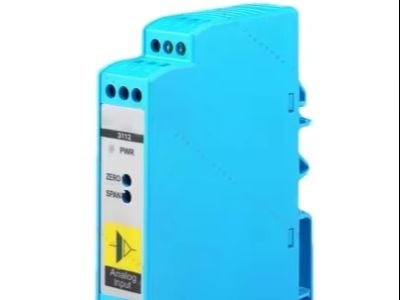
How Programmable Logic Controllers (PLCs) Improve Traditional Electrical Control Systems?
Using in electrical control systems offers many advantages over traditional control methods. Conventional systems often rely on switches, relays, and hardwired circuits to operate machines and industrial processes. While these systems can perform basic functions, they have limitations when it comes to flexibility, efficiency, and automation. PLCs act as the intelligent control center of modern electrical systems, allowing businesses to automate complex processes with greater accuracy and reliability. At JQD, we provide advanced PLC solutions that help factories and businesses improve productivity while keeping operations running smoothly. This article explains how PLCs enhance traditional electrical control systems and how to choose the right solution for your business.
How PLCs Improve Efficiency in Traditional Electrical Control Systems?
PLCs significantly improve the efficiency of traditional electrical control systems by replacing complex wiring and multiple control devices with a single programmable controller. Instead of relying on numerous switches, relays, and timers, a PLC can manage multiple machines and processes through one centralized program. This simplifies system design, reduces wiring complexity, and minimizes the risk of human error. In manufacturing environments where machines must start, stop, or operate in precise sequences, PLCs provide accurate timing and synchronized control, resulting in smoother production and increased output.
Another major advantage is flexibility. If production requirements change, operators can simply update the PLC program instead of rewiring the entire control system. This allows businesses to adapt quickly to new products, manufacturing processes, or customer demands while reducing downtime. plcs engineering also collect valuable operational data during production. This information helps businesses monitor equipment performance, identify inefficiencies, and detect faults before they become serious problems. Early fault detection reduces unexpected downtime, improves maintenance planning, and increases overall productivity. By combining centralized control, flexible programming, real-time monitoring, and data collection, PLCs transform traditional electrical systems into efficient, modern automation solutions.
Key Benefits of Replacing Traditional Control Systems with PLCs
Replacing conventional electrical control systems with PLC technology offers several important benefits. One of the greatest advantages is flexibility. Traditional systems often require extensive rewiring whenever machine operations need to change, resulting in increased labor, longer downtime, and higher costs. With PLCs, operational changes can usually be made by modifying the control program instead of replacing hardware. This makes production adjustments much faster and more cost-effective. PLCs also support multitasking. While traditional relay-based systems often perform only one operation at a time, PLCs can simultaneously control multiple machines, monitor sensors, process input signals, and manage output devices. This improves coordination throughout the production process and increases manufacturing efficiency. Another benefit is improved monitoring and diagnostics. PLC software provides operators with real-time system information, allowing them to monitor equipment status, identify faults quickly, and troubleshoot problems more efficiently. Faster problem resolution minimizes production interruptions and improves equipment utilization. The combination of flexible programming, multitasking capabilities, simplified maintenance, and advanced monitoring makes PLCs an ideal upgrade for modern industrial control systems.
How PLCs Increase Reliability in Industrial Electrical Systems?
Reliability is one of the primary reasons many businesses replace traditional electrical controls with PLCs are specifically designed to operate in demanding industrial environments where dust, heat, vibration, humidity, and electrical noise are common. Compared to older relay-based systems, PLCs contain fewer mechanical components that can wear out over time. This reduces maintenance requirements and lowers the likelihood of unexpected equipment failures. Many programmable logical controller also include built-in self-diagnostic functions that continuously monitor system performance. If an abnormal condition or fault is detected, the controller can immediately notify operators before the issue develops into a major problem. Early fault detection helps reduce downtime and protects valuable equipment.
Some PLC systems also support redundant configurations, allowing backup processors or communication systems to take over automatically if a component fails. This ensures continuous operation in critical industrial applications where production interruptions are costly. By combining rugged construction, self-monitoring capabilities, and system redundancy, PLCs provide dependable performance that helps businesses maintain productivity and reduce maintenance costs.
How to Choose the Right PLC for Your Electrical Control System?
Selecting the right PLC depends on the specific requirements of your application. The first consideration is project size. Small automation projects may only require a compact PLC with basic input and output capabilities, while larger industrial systems often require modular PLCs that support numerous devices and complex automation tasks. You should also consider the functions the to perform. Some applications require only simple machine control, while others involve advanced process automation, motion control, or data communication with multiple devices. Communication capability is another important factor. Modern PLCs should be compatible with the industrial networks, sensors, human-machine interfaces (HMIs), and supervisory systems already used within your facility. Choosing a PLC with the appropriate communication protocols helps ensure seamless integration with existing equipment.
Scalability should also be considered. Selecting a system that allows future expansion makes it easier to add new equipment or production lines as your business grows without replacing the entire control system. Finally, choose a supplier that provides technical support, training, and after-sales service. Proper guidance helps operators understand the system more quickly and ensures the PLC is configured for maximum performance. By carefully evaluating your project requirements, communication needs, future expansion plans, and available technical support, you can select a plc controller solution that improves efficiency, increases reliability, and supports the long-term growth of your business.
Table of Contents
- How Programmable Logic Controllers (PLCs) Improve Traditional Electrical Control Systems?
- How PLCs Improve Efficiency in Traditional Electrical Control Systems?
- Key Benefits of Replacing Traditional Control Systems with PLCs
- How PLCs Increase Reliability in Industrial Electrical Systems?
- How to Choose the Right PLC for Your Electrical Control System?