
 EN
EN



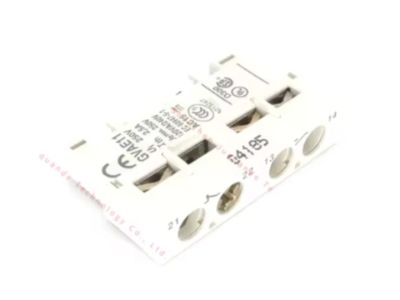
When working with PLC (Programmable Logic Controller) timers, many people make some common mistakes. These mistakes can cause problems in machines and processes. At JQD, we want to help you understand and fix these issues. So, let's talk about some of the common errors people make when programming PLC timers and how to avoid them.
What Are the Most Common Mistakes in PLC Timer Programming?
One big mistake is not understanding the different types of timers. There are on-delay timers and off-delay timers. Some programmers mix them up. For example, an on-delay timer starts counting when a signal is received. If you use an off-delay timer instead, it will start counting when the signal goes off, which can lead to unexpected results. Another mistake is not setting the correct time values. If a timer is set for too long or too short, it can mess up the entire process. Imagine a conveyor belt that stops for too long because of a timer that is set incorrectly. It can cause delays and frustration.
Also, some people forget to reset the timers. If a timer counts down and is not reset, it may not start again when needed. This can happen in a cycle, where the process keeps stopping because the timer isn’t working right. Using the wrong input conditions for the timers is another issue. If the wrong inputs are used, the timer might not start or stop when it should. Lastly, not testing the timers after programming can lead to many problems. Just like checking your homework before turning it in, it’s important to test your timers to make sure they work as intended.
Where to Find Solutions for PLC Timer Programming Challenges?
Finding solutions for timer programming challenges can often feel overwhelming, but it doesn't have to be. One good place to start is with the manuals that come with your PLC timer. These manuals usually have sections on timers and common mistakes. They explain how to program the timers correctly. If you have questions, you can also ask your colleagues or join online forums. Many people share their experiences and solutions to problems they faced. You might find someone who had the same issue you are having.
Another helpful resource is online tutorials and videos. There are many free resources available that can guide you step-by-step through programming timers. Watching someone else do it can make it easier to understand. If you're more hands-on, you could try out simulations. Some software allows you to practice programming timers without using real equipment. This way, you can experiment and learn from your mistakes without any risks.
Finally, JQD also offers training programs. These programs focus on real-world applications. They help you understand timers better and avoid common pitfalls. Learning from experts can save you time and effort in the long run. So, whether it's reading manuals, watching videos, asking others, or joining a training program, there are many ways to find help with PLC timer programming.
What Wholesale Buyers Should Know About PLC Timer Programming Issues
When you buy products that use Programmable Logic Controllers (PLCs), it’s important to understand timer programming issues. PLCs are used in many machines and systems to help them run smoothly. One common problem with PLC timers is that they can be set incorrectly. This means that the machine might not work the way it should. For example, if a timer is set to turn on a motor for five minutes, but it is accidentally set for fifty minutes, the motor will run too long. This can waste energy and cause damage. Wholesale buyers should check that timers are set correctly before they use the equipment.
Another issue is forgetting to reset the timer after it is used. If the timer does not reset, the machine might not start when it’s supposed to. This can be frustrating for workers who need to use the machine. Buyers should also know that different timers have different functions. Some timers can count up while others count down. Knowing which type of timer is being used can help avoid confusion and mistakes.
One more thing to consider is the environment where the PLC is used. If it is too hot or too cold, the timer may not work properly. Therefore, keeping the equipment in a stable environment can prevent timer problems. Buyers should also ask suppliers about the quality of the timers used in the PLCs they are purchasing. JQD offers high-quality PLC touch screen that have reliable timers, which can help reduce these common issues. Overall, understanding these timer programming issues can help buyers make smarter choices when purchasing equipment.
How to Troubleshoot Common PLC Timer Programming Problems
Troubleshooting PLC timer problems is an important skill for anyone using these devices. If something goes wrong, the first step is to check the timer settings. Look at how the timer is programmed. Is it set for the right time? If it’s not, you can change it. Make sure to double-check the settings to avoid mistakes. If the timer is counting down but the device still doesn’t work, it might be time to look at the connections. Loose or broken wires can cause timers to fail.
If everything seems fine, you can try resetting the PLC. Sometimes, a simple reset can solve the problem. Turn off the power, wait a few seconds, and then turn it back on. This can help clear any glitches that might be causing the timer not to work properly. If the timer still does not work, you may need to consult the user manual. The manual often has troubleshooting tips that can help you find the issue faster.
If you cannot find the problem on your own, don’t hesitate to ask for help. Reach out to a technician or the company that sold you the PLC. For JQD customers, our support team is always ready to assist with any issues you may face. We want to ensure that your PLC timers work perfectly so your machines can run smoothly. Remember, solving these timer problems quickly is very important to keep everything working well.
What Common Usage Issues Exist in PLC Timer Programming?
Common usage issues in PLC timer programming can lead to problems in production and efficiency. One major issue is the misunderstanding of timer modes. Many people do not know the difference between on-delay and off-delay timers. An on-delay timer waits for a set time before starting an action, while an off-delay timer keeps the action going for a set time after the signal stops. Knowing which one to use in a specific situation is essential. If the wrong type is used, it can cause machinery to operate incorrectly, leading to delays and increased costs.
Another common problem is not accounting for the total run time of machines. Sometimes, users forget to consider how long each step in a process takes. If timers are not set to reflect the total time needed, it can cause parts of the process to overlap in ways that create confusion or even equipment failure. It’s important to plan out the entire sequence of operations and set timers accordingly.
Users may also face issues with the timer’s range. For example, if the timer can only count up to 60 seconds, but a task requires a longer time, the timer will not work properly. Always check the specifications of the timers used and ensure they meet the needs of your operations. JQD PLC technology are designed with user-friendly timers that are easy to set up and adjust. By understanding these common usage issues, operators can avoid mistakes and help their machines run more smoothly. Proper training and understanding of these tools are key to successful PLC operation.
Table of Contents
- What Are the Most Common Mistakes in PLC Timer Programming?
- Where to Find Solutions for PLC Timer Programming Challenges?
- What Wholesale Buyers Should Know About PLC Timer Programming Issues
- How to Troubleshoot Common PLC Timer Programming Problems
- What Common Usage Issues Exist in PLC Timer Programming?