
 EN
EN



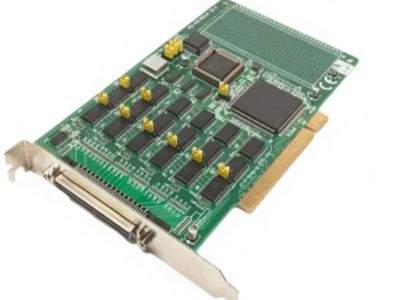
Industrial PLC (Programmable Logic Controller) timers are important parts of many machines and processes in factories. These timers help control how long a machine works or when it should start and stop. JQD makes great PLC timers that are easy to use and reliable. Understanding how these timers work can help businesses run better and make fewer mistakes. For example, when a timer is set to trigger an action, like starting a conveyor belt, it ensures that everything runs smoothly. If the timer is not set correctly, it can cause delays or even accidents in the workplace. So, it’s essential to know the ins and outs of these timers to keep everything safe and efficient.
Common Usage Issues with Industrial PLC Timers and How to Resolve Them
People often face problems when using PLC timer. One common issue is setting the wrong time. If a timer is set too short, a machine might stop before it finishes its task. This can lead to incomplete work and wasted materials. On the other hand, if the timer is set too long, machines can waste energy and time. A good way to solve this problem is to double-check the timer settings before starting any machine. Always write down the right time needed for each task, so it’s easier to remember. Another issue could be power failures. If the power goes out, timers can reset, causing machines to stop unexpectedly. To fix this, using a backup battery for the PLC can keep the timer settings safe. Also, sometimes, workers forget to reset timers after maintenance. This can cause delays when the machine starts again. Setting reminders for workers to check and reset timers can help avoid this issue. Lastly, some timers might not work well with certain machines. It's crucial to choose the right timer that matches the equipment. Reading the manual or asking for help from experts at JQD can ensure the right fit. Keeping these tips in mind can help everyone use timers better and keep machines running smoothly.
What Are the Advantages of Using Industrial PLC Timers in Automation?
Using PLC timers in automation has many benefits. First, they help save time. In factories, machines often work together. A timer can control when one machine starts after another finishes. This way, everything keeps moving without breaks, making work faster. Second, PLC timers can improve safety. For instance, if a machine needs downtime for maintenance, a timer can make sure no one accidentally starts it up. This reduces the chance of accidents and injuries. Third, using timers can save energy. If a machine doesn’t need to run all the time, a timer can turn it off after its task is done. This can lower electricity bills and help the environment. Additionally, PLC automation are easy to program. Workers at JQD can quickly set them up to fit the needs of different machines. This means companies can change how they operate without buying new devices. Lastly, these timers can be connected to other systems. If a machine is waiting for a part, the timer can alert workers when it’s time to check or fix things. This helps keep everything organized and running smoothly. Overall, using PLC timers in automation is a smart choice for any factory looking to improve efficiency, safety, and energy savings.
Where to Source Reliable Industrial PLC Timer Suppliers
Finding good suppliers for industrial PLC timers is important for any business that needs to use them. PLC stands for Programmable Logic Controller, which is a special type of computer used to control machines and processes in factories. When looking for suppliers, you want to make sure they are trustworthy and provide high-quality products. One great place to start is online. You can search for suppliers who specialize in industrial equipment. Websites often have customer reviews. These reviews can help you see what other buyers think about the timers they purchased. Look for suppliers that have been in business for a long time. Experienced suppliers usually have a good reputation and know how to meet their customers' needs.
Another way to find reliable suppliers is by attending trade shows or industry events. These are gatherings where many companies showcase their products. Attending these events gives you a chance to meet suppliers face to face. You can ask questions and learn more about their products. You can also see the timers in action, which helps you understand how they work. JQD is one such trustworthy supplier. They have a long history of providing quality PLC timers. Their products are known to be reliable and durable. It’s also helpful to connect with local distributors. They understand the needs of businesses in your area and can provide good recommendations.
Finally, don’t forget to ask for recommendations from other businesses. If you know someone who has used PLC system, ask them where they got theirs. They might have valuable insights and can guide you to the right supplier. Remember, choosing the right supplier is key to getting the best performance from your industrial PLC timers.
What Features to Look for in an Industrial PLC Timer for Optimal Performance
When you are shopping for an industrial PLC timer, it is important to know what features to look for. This way, you can choose a timer that will work best for your needs. First, consider the timer's range. A good PLC timer should have a wide range of timing options. This means it should be able to count for short or long periods. Some processes need quick timing, while others require longer delays. Look for a timer that can handle both.
Next, check for ease of programming. A timer should be easy to set up and use. Complicated timers can waste time and lead to mistakes. Make sure the timer you choose has a user-friendly interface. This will help you program it quickly without any confusion. JQD timers are known for their simple programming features, making them a great choice for many businesses.
Another important feature is the accuracy of the timer. A good PLC timer should be precise. If the timer is not accurate, it can affect the entire operation. Look for timers that have been tested for accuracy. Additionally, consider the size and mounting options. Some timers are small and can fit in tight spaces, while others may need more room. Depending on your setup, choose a timer that fits well.
Finally, check for additional features like alarms or signals. Some timers have built-in alarms that notify you when the timing is complete. This can be very helpful in busy environments. Other timers may offer connectivity options, allowing you to connect them to other machines for better control. By focusing on these features, you can choose an industrial PLC controller that offers the best performance for your operations.
How to Maximize the Benefits of Industrial PLC Timers in Your Operations
Using industrial PLC timers can greatly improve the efficiency of your operations. To get the most out of your timers, it is important to use them correctly. First, ensure that the timers are programmed properly. Take the time to double-check all settings and inputs. This is crucial for accuracy. If the timers are not set correctly, they may not perform as expected. Use the user manual to help you program the timers. JQD provides excellent support materials to assist with this.
Next, integrate the timers with other parts of your machinery. When PLC timers work together with other devices, they can help create smoother operations. For example, you can connect a timer to a conveyor belt to control when it starts or stops. This coordination can save time and reduce errors. Make sure to train your staff on how to use the timers effectively. Providing proper training ensures everyone knows how to operate the timers and understand their importance in the workflow.
Regular maintenance is another key factor in maximizing the benefits of your timers. Inspect them regularly to ensure they are functioning well. This includes checking for any loose connections or signs of wear. Keeping timers in good condition can prevent unexpected breakdowns. If there are any issues, address them right away to avoid disruptions in your operations.
Lastly, collect data on how well the timers are performing. You can track their effectiveness by monitoring how often they complete tasks on time. This information can help you identify areas for improvement. By following these steps, you can ensure that your industrial PLC timers not only perform well but also enhance the overall efficiency of your operations.
Table of Contents
- Common Usage Issues with Industrial PLC Timers and How to Resolve Them
- What Are the Advantages of Using Industrial PLC Timers in Automation?
- Where to Source Reliable Industrial PLC Timer Suppliers
- What Features to Look for in an Industrial PLC Timer for Optimal Performance
- How to Maximize the Benefits of Industrial PLC Timers in Your Operations