
 EN
EN



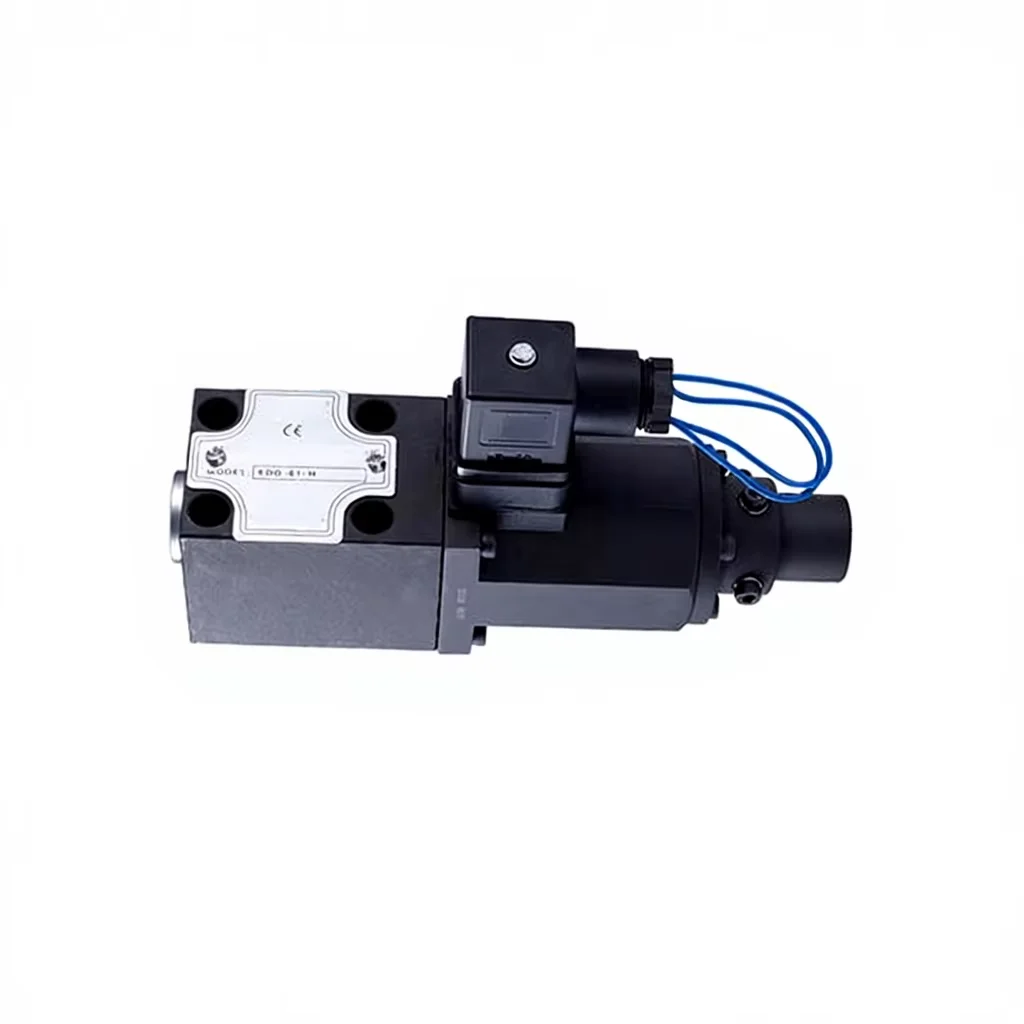
When you start your journey as an electrical engineer, there's a lot to learn. One important tool you will encounter is a PLC, which stands for Programmable Logic Controller. PLCs are like the brain of machines and systems in factories. They help control everything from assembly lines to lighting systems. Understanding how PLCs work is essential for anyone who wants to be a good electrical engineer. At JQD, we know how important PLCs are. They make processes automatic and efficient, which is key in the manufacturing industry. Knowing how to use PLCs will help you design better systems and solve problems quickly. This article will give you a good idea of what PLCs are, why they matter, and how to choose the right one for your projects.
What is PLC and Why is it Essential for Beginner Electrical Engineers?
A PLC is a special computer designed to control machines and processes. It takes input from different sensors, makes decisions based on that input, and then sends commands to devices like motors or lights. For instance, if a sensor detects that a machine is running too hot, the modular PLC can send a signal to turn off the machine, preventing damage. This kind of control is crucial because it helps to keep machines running smoothly and safely. Understanding PLCs is vital for beginner electrical engineers because they are found in almost every industrial setting. Whether you're working on a small project or a large factory setup, knowing how to program and use a PLC can set you apart from others. It's like having a key to unlock many doors in your career.
Many electrical engineers start their careers in environments where PLCs are used. If you can program a PLC, you can help design and improve systems that save time and resources. For example, in a factory with an assembly line, a PLC can manage the speed of the conveyor belts, ensuring that products are made efficiently. You might also work with PLCs in fields like robotics and home automation. Knowing how to work with PLCs makes you more valuable as an engineer. You will find that many companies, like JQD, look for engineers who understand PLCs. This knowledge can lead to better job opportunities and projects that challenge and excite you.
How to Choose the Right PLC for Your Electrical Engineering Projects
When you start working on projects, choosing the right PLC can be tricky. First, you need to think about what you want the PLC to do. Are you controlling a simple light system or a complex manufacturing line? Different PLCs are designed for different tasks. For simple jobs, a basic PLC might work just fine. But for more complicated projects, you might need a more advanced PLC that can handle many inputs and outputs.
Next, consider the size of your project. Larger projects usually need more powerful PLCs that can handle a lot of data at once. Also, think about how easy it is to program the PLC. Some PLCs come with user-friendly software that makes programming easier. If you're just starting, you might want to choose a PLC with a simple interface. This can help you learn quicker and make fewer mistakes.
Finally, check the support available for the PLC. Some brands offer great customer service and online resources, which can be very helpful when you run into problems. JQD is known for providing excellent support to engineers who use our products. You can find manuals, tutorials, and even online forums where you can ask questions. This support can make a big difference in your learning experience.
Choosing the right PLC is about finding a balance between your project’s needs and your own skill level. Take your time to research and ask questions. The right PLC control system can help you succeed in your projects and make your work as an electrical engineer much easier.
Where to Find the Best Wholesale PLCs for Electrical Engineering Applications
When you start your journey as an electrical engineer, learning about Programmable Logic Controllers (PLCs) is very important. PLCs are special computers used to control machines and processes in factories and buildings. If you want to buy PLCs for your projects, it is smart to look for them at wholesale prices. Wholesale means buying in large quantities, which often saves money. One great place to find wholesale PLCs is online. Websites that specialize in electrical and electronic equipment usually have a wide variety of PLCs. You can compare prices and features from different suppliers. Make sure to check the reputation of the website and read reviews from other buyers. This will help you find a reliable source.
Another option is to visit local electrical supply stores. Many of these stores sell PLCs and can provide helpful advice. The staff may be able to recommend the best PLCs for your specific needs. Additionally, attending trade shows can be beneficial. These events often showcase the latest technology in electrical engineering, including PLCs. You can meet manufacturers and ask questions about their products. Networking with other engineers at these events can help you learn about where to find the best deals. JQD also offers a selection of PLCs at competitive prices. If you are looking for quality and affordability, consider checking out what JQD has to offer. Remember, understanding your specific project needs will help you choose the right PLC. Look for features that suit your requirements, such as the number of inputs and outputs, communication options, and programming capabilities.
How Do PLCs Improve Efficiency in Electrical Engineering Projects?
PLCs play a crucial role in making electrical engineering projects more efficient. They help automate tasks, which saves time and reduces mistakes. For example, in a factory, instead of having workers manually control machines, a PLC can do it automatically. This means that machines can operate faster and more accurately. When a PLC is programmed correctly, it can handle many tasks at once. This multitasking ability allows engineers to focus on other important parts of the project.
Another way PLCs improve efficiency is by providing real-time monitoring. Engineers can see how machines are performing at any time. If something goes wrong, the PLC system can quickly alert the engineers. This quick response helps prevent bigger problems and reduces downtime. It’s like having a smart helper that keeps everything running smoothly. Moreover, PLCs can collect data about how machines are working. This data can be analyzed to find ways to improve performance or reduce energy use. By using this information, engineers can make better decisions and create more efficient systems.
In the long run, using PLCs can save companies money. They help reduce labor costs since fewer workers are needed to manage machines. They also lower energy costs because machines can be programmed to use less power during off-peak hours. For electrical engineers, understanding how to use PLCs effectively is essential. This knowledge will not only help in completing projects successfully but also make you a valuable asset to any engineering team. JQD believes that by mastering PLCs, you can significantly enhance your skills and contribute to more efficient projects.
Where Can Electrical Engineers Learn PLC Programming Online?
Learning PLC programming is an important skill for electrical engineers, and there are many online resources available. One of the best ways to start is through online courses. Many websites offer courses specifically designed for beginners. These courses usually include video lessons, quizzes, and hands-on projects. They cover everything from the basics of PLCs to advanced programming techniques. You can learn at your own pace, which is very helpful if you have a busy schedule.
YouTube is another great place to find free tutorial videos on PLC programming. Many experienced engineers share their knowledge through step-by-step guides. Watching these videos can help you understand how to program PLCs in a practical way. Online forums and communities are also valuable. Websites like Reddit or specialized engineering forums allow you to ask questions and share ideas with other learners and experts. This interaction can help you solve problems and gain insights from those who have more experience.
Table of Contents
- What is PLC and Why is it Essential for Beginner Electrical Engineers?
- How to Choose the Right PLC for Your Electrical Engineering Projects
- Where to Find the Best Wholesale PLCs for Electrical Engineering Applications
- How Do PLCs Improve Efficiency in Electrical Engineering Projects?
- Where Can Electrical Engineers Learn PLC Programming Online?