
 EN
EN



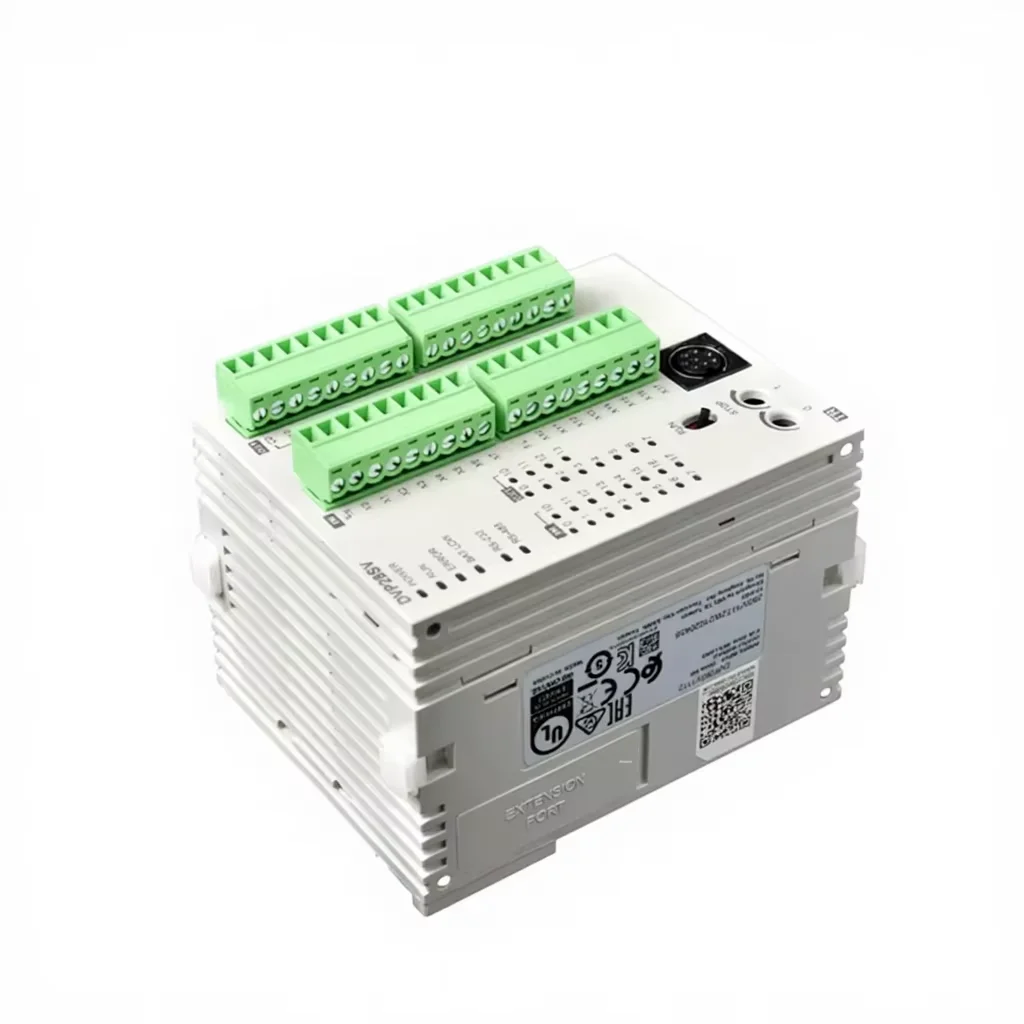
PLC stands for Programmable Logic Controller. It's a special computer used in factories and industries to control machines and processes. PLCs make it easier to automate tasks, so workers can focus on more important things. Instead of using many different switches and wires, a PLC can take care of everything using programming. Think of it like a brain for machines: it decides what to do based on the information it gets from sensors. This helps companies run more smoothly and safely, saving time and money. At JQD, we believe in using the latest technology to make your industrial processes better and more efficient.
How PLC Systems Improve Industrial Automation Efficiency
PLCs really help make factories work better. Imagine a big factory that makes toys. There are many machines doing different jobs, like cutting, painting, and packing. If each machine had its own controls with lots of switches, it would be confusing and slow. But with PLCs, all the machines can work together as one team. The PLC gets data from sensors that tell it what's happening. If a machine is running too fast or too slow, the PLC can adjust it right away. It’s like having a coach who helps the team play better.
Using PLCs also means fewer mistakes. When humans do repetitive tasks, they can get tired and make errors. But PLCs work the same way every time, so products are made correctly. For example, if a toy needs to be painted a certain color, the PLC system makes sure the machine does it just right every time. This means customers get the same good quality every time they buy a toy.
Time is money in a factory. When machines are running smoothly because of PLCs, everything gets done faster. This means products can be made and shipped out quicker. If a company can make more toys in less time, they can earn more money. JQD knows the importance of speed and accuracy in manufacturing, and our PLC solutions help businesses achieve that.
Also, PLCs can be programmed to work with other systems. They can talk to robots, sensors, and even computer systems that track inventory. This means information flows easily between machines. For instance, if a packing machine runs low on boxes, the PLC can send a message to get more boxes without anyone needing to check it manually. This level of automation helps companies save on labor costs and makes the whole operation smoother.
In short, PLC systems are important for making industrial automation more efficient. They help machines work together, reduce mistakes, speed up production, and improve communication. JQD is committed to providing top-quality PLC solutions that make these benefits possible for your business.
Where to Find the Best PLC Solutions for Your Business
Finding the right PLC solutions for your business can be like looking for a treasure. You want to make sure you get the best tools to help your factory succeed. At JQD, we offer a range of PLC products that are designed to meet different needs. Whether you are a small workshop or a large factory, we have something that can work for you.
You should start by looking for companies that have a strong reputation in industrial automation. Check their experience and what other customers say about them. Good companies will have testimonials and case studies showing how their PLC systems have helped other businesses. At JQD, we pride ourselves on our track record of helping companies improve their processes and efficiency.
It is also important to understand what your specific needs are. Do you need a PLC for a simple task, or do you want something more complex that can handle multiple machines? Knowing exactly what you need will help you choose the right product. Our team at JQD can help you figure that out. We can listen to your requirements and suggest the best options for you.
Another key factor is support and training. When you buy a PLC, you want to make sure you can get help if you run into problems. A good company will offer support and training to help your team learn how to use the PLC controller effectively. At JQD, we believe in helping our customers every step of the way, from installation to ongoing support.
Lastly, consider the price. While it's tempting to choose the cheapest option, remember that quality is important. Sometimes spending a little more can save you money in the long run because of fewer breakdowns and faster production times. JQD offers competitive pricing without sacrificing quality, ensuring you get the best value for your investment.
By taking the time to research and understand your needs, you'll be able to find the best PLC solutions for your business. JQD is here to help you with any questions and provide you with the tools you need to succeed in your industrial automation efforts.
What Are the Key Components of a PLC System?
A PLC, or Programmable Logic Controller, is a special computer used to control machines and processes in factories and other places. It has several key parts that work together to make everything run smoothly. The first important part is the CPU, or Central Processing Unit. This is like the brain of the PLC. It receives information, processes it, and then sends out commands to control machines. The next part is the input and output (I/O) modules. The input modules gather information from sensors, which can detect things like temperature, pressure, or the position of a machine. The output modules send signals to devices like motors, lights, or alarms based on the commands from the CPU. Another key component is the power supply, which gives energy to the PLC so it can operate. Finally, there is programming software that allows engineers to write instructions for the PLC. This software helps them tell the PLC what to do in different situations.
At JQD, we focus on making sure all these components work well together. When you put them together, you get a powerful system that can control many different types of machines. For example, if a factory is running a conveyor belt, the PLC can tell the belt when to start and stop based on the items that are moving along it. This helps keep everything organized and running efficiently. So, when you think about PLCs, remember that they are like the brains of a factory, making sure everything works in a safe and orderly way.
How PLC Enhances Safety and Reliability in Industrial Processes
Safety is very important in factories and industrial places. One way that PLCs help with safety is by constantly monitoring machines and processes. If something goes wrong, like if a machine overheats or if there is a problem with a sensor, the industrial PLC controller can quickly take action. For example, it can stop the machine to prevent accidents or damage. This quick response time is crucial because it protects workers and equipment. Additionally, PLCs can be programmed to follow safety rules and procedures. This means that they can help ensure that machines operate only when it is safe to do so.
At JQD, we design our PLC systems to prioritize safety. We understand that accidents can be costly and dangerous. By using PLCs, factories can create safer working environments. Another way PLCs enhance reliability is through their ability to run continuously without needing a break. Unlike humans, PLCs don’t get tired; they can work day and night without stopping. This continuous operation means that production can keep going, which is essential for businesses. Furthermore, PLCs often have built-in diagnostics, which means they can check their own performance. If there is a problem, they can alert workers so that the issue can be fixed before it becomes serious. This reliability helps factories produce more goods without interruptions.
How to Maximize ROI with Effective PLC Implementation Strategies
Maximizing Return on Investment (ROI) with PLC systems is very important for businesses. A good way to start is by planning carefully before installing a PLC. This means understanding what the factory needs and how the PLC can help. At JQD, we work with our clients to create a clear plan that outlines goals and expectations. This helps ensure that the PLC will meet the specific needs of the factory. Another strategy is to provide training for workers who will use the PLC. When employees know how to operate and troubleshoot the system, it can lead to fewer mistakes and better performance.