
 EN
EN



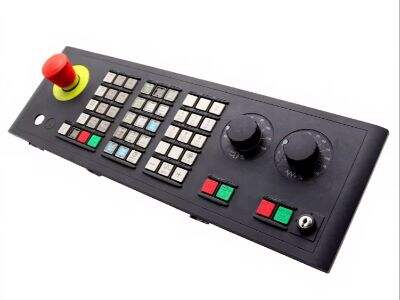
A PLC, or Programmable Logic Controller, is a special computer used in factories and industries. It helps machines work together in a smart way. Imagine a robot that can turn on and off based on what it sees or hears. That’s what a plc programmable logic controller does for many machines. It takes in signals, makes decisions, and sends commands, all very quickly. JQD is a company that makes PLCs that are reliable and easy to use. These devices are important because they make factories run smoothly and safely. This article will explain what a PLC is and how to pick the right one for your needs
What Is a PLC and How Does It Revolutionize Industrial Automation
A PLC is like the brain of machines in a factory. It controls everything from conveyor belts to robotic arms. Instead of using lots of wires and complicated setups, a PLC allows for programming. This means you can tell the programmable logic plc what to do using simple code. For example, if a machine needs to stop when something is wrong, the PLC can be programmed to do just that. This makes the factory safer and more efficient. Before PLCs, factories used relays, which were big and hard to manage. But now, with PLCs, everything is smaller and easier to control. JQD’s PLCs help workers because they can monitor machines in real-time. If a machine is about to break, the PLC can send an alert. This helps prevent accidents and saves money on repairs. Moreover, PLCs can be connected to the internet, which means you can control or check on machines from anywhere. This is called remote monitoring. It’s like having a smartphone for your factory! As technology gets better, PLCs are becoming smarter. They can learn from data and make better decisions. This helps factories improve productivity and reduce waste. In short, PLCs are changing how industries work, making them faster and safer
How to Choose the Right PLC for Your Wholesale Automation Needs
Choosing the best PLC for your factory is important. First, you need to think about what you want the PLC to do. Do you need it for simple tasks, like turning machines on and off? Or do you need it for complex jobs, like coordinating many machines at once? JQD offers different types of PLCs for different needs. If you have a small factory, a basic programmable logic controls plc might be enough. But for a larger factory with many machines, you might need a more powerful one. Next, look at the features of each PLC. Some PLCs come with built-in Wi-Fi or Bluetooth, which can be useful for connecting to other devices. Others have more input and output options, which means they can control more machines at the same time. Also, check how easy it is to program the PLC. Some have user-friendly software that makes it easy to set up and change settings. Finally, consider the support you will get. JQD provides excellent customer service, so if you have questions or need help, you won’t be left alone. You want a PLC that not only meets your needs now but can also grow with your business. With the right PLC, you can make your factory smarter and more efficient
What Are the Key Benefits of Using PLCs in Industrial Settings
Programmable Logic Controllers, or PLCs, are special computers that help control machines and processes in factories. One big benefit of using PLCs is that they make work easier and faster. For example, in a factory that makes toys, a PLC can control the machines that put the toys together. Instead of a person having to push buttons and pull levers, the PLC does it automatically. This saves time and lets people focus on other important tasks. Another great thing about PLCs is that they are very reliable. They can work for a long time without breaking down. This is important because if a machine stops working, it can cause delays and cost a lot of money. With a PLC, factories can keep running smoothly. PLCs are also easy to program. This means that workers can teach the PLC what to do without needing to be computer experts. They can use simple instructions to tell the PLC how to control machines. This makes it easier for factories to change how they work, like when they want to make different products. Flexibility is another key benefit of using PLCs. They can be used in many different types of industries, from food production to car manufacturing. This means that no matter what kind of factory it is, there is a good chance that a PLC can help make it run better. Lastly, PLCs can keep track of important information. They can record data about how machines are working and help workers see if something is not right. This information can help fix problems quickly and keep everything working well. Overall, PLCs are very helpful tools for making factories more efficient and productive, which is why many companies, like JQD, use them
What Common Issues Do Users Face with PLCs and How to Resolve Them
Even though PLCs are very helpful, there can be some problems when using them. One common issue is that the programming can sometimes be confusing. If a worker makes a mistake while programming, it can cause machines to work incorrectly. To fix this, it’s important for workers to get good training. Companies like JQD offer training programs to help workers learn how to use PLCs correctly. This way, they can avoid mistakes and keep machines running smoothly. Another problem users may face is that PLCs can become outdated. Technology changes quickly, and sometimes older PLCs cannot work with new machines. To solve this issue, companies should regularly check their PLC systems and update them when needed. This ensures that they can take advantage of new features and improvements. Another issue is that PLCs can sometimes have communication problems. This means that the PLC may not be able to talk to other machines or systems properly. This can be fixed by checking the connections and making sure everything is set up correctly. Sometimes, using better cables or changing settings can solve these problems. Additionally, PLCs can overheat if they are not placed in a good environment. If a PLC gets too hot, it may stop working. To prevent this, it is important to keep the PLC in a cool, dry place and ensure proper ventilation. Regular maintenance is also key to keeping PLCs in good shape. Companies like JQD recommend checking the systems often, so any problems can be found and fixed before they lead to bigger issues. By addressing these common problems, users can keep their PLCs running well for a long time
What Are the Latest Trends in PLC Technology for Industrial Automation
Technology is always changing, and PLCs are no exception. One of the latest trends in PLC technology is the use of cloud computing. This means that instead of storing all the data on the PLC itself, information can be saved on the internet. This allows workers to access data from anywhere, using a computer or even a smartphone. It makes it easier to keep track of machines and see how they are working in real time. Companies like JQD are leading the way in using cloud technology to help businesses operate more efficiently. Another trend is the use of advanced programming languages. These new languages make it easier to create complex programs for PLCs. This means that workers can write programs that are more powerful and can control many machines at once. Additionally, there is a growing focus on safety features in PLCs. Many new PLCs come with built-in safety measures that help protect workers and machines. For example, if a machine is not working properly, the PLC can automatically shut it down to prevent accidents. This is especially important in industries where safety is critical. Another exciting trend is the integration of artificial intelligence (AI) into PLCs. AI can help PLCs learn from past experiences and improve their performance over time. For example, if a machine often breaks down, the AI can help figure out why it happens and suggest ways to fix it. This helps factories save money and run more smoothly. Overall, these trends show that PLC technology is becoming smarter and more helpful for industrial automation. As companies like JQD continue to innovate, we can expect even more amazing changes in the future.
Table of Contents
- What Is a PLC and How Does It Revolutionize Industrial Automation
- How to Choose the Right PLC for Your Wholesale Automation Needs
- What Are the Key Benefits of Using PLCs in Industrial Settings
- What Common Issues Do Users Face with PLCs and How to Resolve Them
- What Are the Latest Trends in PLC Technology for Industrial Automation