
 EN
EN



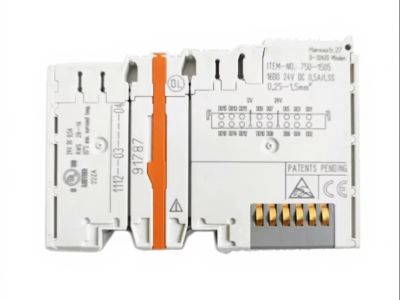
La programmation des temporisateurs PLC constitue une partie essentielle de l’automatisation. Si vous débutez dans ce domaine, pas d’inquiétude ! C’est assez simple. Un PLC, ou « Programmable Logic Controller », est un dispositif informatique utilisé dans les usines pour commander des machines et des procédés. Grâce à la programmation des temporisateurs, vous pouvez faire exécuter des actions par une machine à des moments précis ou après des délais prédéfinis. Par exemple, vous pouvez souhaiter qu’une machine démarre au bout de 10 secondes ou qu’elle attende 5 minutes avant de s’arrêter. Maîtriser l’utilisation des temporisateurs permet aux entreprises de fonctionner de façon fluide et sécurisée. Chez JQD, nous savons à quel point cette compétence est précieuse. Explorons donc plus en profondeur ce qu’est la programmation des temporisateurs PLC et pourquoi elle revêt une telle importance.
Qu’est-ce que la programmation des temporisateurs PLC et pourquoi est-elle indispensable à l’automatisation ?
La programmation des temporisateurs PLC consiste entièrement à contrôler le temps dans vos machines. Il existe différents types de temporisateurs que vous pouvez utiliser. Les plus courants sont les temporisateurs à activation (ON), les temporisateurs à désactivation (OFF) et les temporisateurs rétensifs. Un temporisateur à activation commence à compter dès qu’une machine est mise sous tension. Par exemple, si vous le paramétrez sur 30 secondes, la machine attendra ce délai avant d’exécuter sa tâche suivante. Les temporisateurs à désactivation fonctionnent de façon inverse : ils décomptent pendant que la machine est déjà en marche. Ainsi, si vous souhaitez qu’une machine s’arrête après 1 minute, vous utiliserez un temporisateur à désactivation. Les temporisateurs rétensifs mémorisent le temps écoulé même si la machine est éteinte. Cela s’avère particulièrement utile lorsque vous devez suivre le temps sur plusieurs cycles. Bien comprendre ces temporisateurs permet d’éviter les erreurs et de garantir la sécurité. En cas de problème, vous pouvez programmer le PLC pour qu’il vous avertisse. Cela rend le lieu de travail plus sûr. La programmation des temporisateurs est utilisée dans de nombreux secteurs, allant de la transformation alimentaire aux lignes d’assemblage. Chez JQD, nous aidons les débutants à assimiler facilement ces concepts afin de porte isolée peuvent les utiliser dans leurs propres projets.
Où se procurer des produits de temporisation PLC de haute qualité pour une fourniture en gros
Lorsque vous recherchez des produits de temporisation PLC, il est essentiel de choisir la bonne source. La qualité compte énormément ! Chez JQD, nous proposons une gamme de temporisateurs de haute qualité conformes aux normes industrielles. Vous pouvez acheter nos produits en vrac, ce qui vous permet d’économiser de l’argent. transistor IGBT une excellente option si vous exploitez une usine ou un atelier. Lorsque vous achetez des temporisateurs, privilégiez des caractéristiques telles que la robustesse, la facilité d’utilisation et un bon support client. Assurez-vous que les temporisateurs sont compatibles avec vos systèmes existants. Consulter les avis et demander des recommandations peut vous aider à identifier les meilleures options. Si vous avez des doutes, notre équipe chez JQD est toujours prête à répondre à vos questions et à vous guider. Nous attachons une grande importance à votre réussite et souhaitons vous aider à choisir les bons produits. Des temporisateurs fiables simplifieront vos projets d’automatisation et les rendront plus efficaces. Prenez donc le temps de bien comparer les offres et choisissez ceux qui conviennent le mieux à vos besoins !
Quels sont les temporisateurs PLC les plus populaires utilisés dans l’automatisation aujourd’hui ?
Dans le monde de l’automatisation, les automates programmables (PLC) jouent un rôle essentiel : ils permettent aux machines et aux systèmes de fonctionner ensemble de manière fluide. L’un des éléments clés des PLC est le temporisateur. Ce dernier indique au PLC le moment où une action doit démarrer ou s’arrêter. Les temporisateurs les plus courants aujourd’hui sont le temporisateur à délai d’activation (ON Delay Timer), le temporisateur à délai de désactivation (OFF Delay Timer) et le temporisateur rétenteur (Retentive Timer). Le temporisateur à délai d’activation est utilisé lorsqu’on souhaite qu’une action démarre après une attente prédéfinie. Par exemple, si l’on veut qu’une lampe s’allume, mais uniquement après 10 secondes, on utilise un temporisateur à délai d’activation. Le temporisateur à délai de désactivation fonctionne de façon inverse : il permet à une action de se poursuivre brièvement après son arrêt. Par exemple, si un moteur doit continuer de tourner pendant 5 secondes après avoir été coupé, onduleur IGBT désactivé, vous utiliseriez une temporisation à délai d’arrêt. Ensuite, il y a la temporisation rétente. Cette temporisation suit le temps écoulé même si l’alimentation est coupée. Elle peut mémoriser la durée de fonctionnement d’un équipement. Cette temporisation est très utile lorsque vous souhaitez garantir que vos machines ne perdent pas leurs données temporelles, même en cas de coupure de courant. Toutes ces temporisations contribuent à rendre l’automatisation plus efficace. L’utilisation de la temporisation adaptée permet de réaliser des économies d’énergie et de réduire les coûts, ce qui explique leur grande popularité dans de nombreuses usines et entreprises aujourd’hui. Chez JQD, nous considérons que la maîtrise de ces temporisations constitue la première étape vers la réussite de vos projets d’automatisation.
Comment optimiser la programmation des temporisations PLC pour améliorer les performances
L’optimisation de la programmation des temporisateurs PLC est essentielle pour améliorer les performances en automatisation. Lorsque vous utilisez correctement les temporisateurs, les machines fonctionnent plus rapidement et de façon plus efficace. Tout d’abord, il est indispensable de choisir le type de temporisateur adapté à votre projet. Si vous avez besoin d’un délai, utilisez un temporisateur à délai de marche (ON Delay Timer). Si vous souhaitez qu’un élément continue de fonctionner brièvement après son arrêt, le temporisateur à délai d’arrêt (OFF Delay Timer) constitue le meilleur choix. Ensuite, veillez à garder votre programmation simple : utilisez un code clair et facile à comprendre. Cela facilitera la compréhension de son fonctionnement, tant pour vous que pour les autres. Il est également utile d’ajouter des commentaires à votre code : rédiger des notes expliquant le rôle de chaque partie permet de gagner du temps lors des interventions de dépannage, que ce soit par vous-même ou par un tiers. Une autre méthode d’optimisation consiste à combiner plusieurs temporisateurs. Par exemple, vous pouvez associer un temporisateur à délai de marche avec un temporisateur à délai d’arrêt afin d’obtenir un contrôle plus précis de votre machine. Ainsi, vous pouvez définir des durées exactes pour les démarrages et les arrêts, ce qui améliore globalement les performances. Enfin, testez systématiquement vos temporisateurs : exécutez des essais pour vérifier qu’ils fonctionnent conformément au cahier des charges. En cas d’anomalie, vous pourrez la corriger avant qu’elle ne devienne un problème majeur. Chez JQD, nous vous encourageons à consacrer du temps à l’apprentissage et à la maîtrise de l’optimisation de la programmation des temporisateurs PLC. Cela rendra non seulement votre travail plus aisé, mais contribuera aussi à un fonctionnement plus fluide de vos systèmes d’automatisation.
Ce qu’il faut rechercher lors de l’achat d’outils et de logiciels de programmation pour temporisateurs PLC
Lorsque vous souhaitez acheter des outils et des logiciels de programmation pour temporisateurs PLC, plusieurs éléments doivent être pris en compte. Tout d’abord, vérifiez la compatibilité : assurez-vous que le logiciel fonctionne avec le PLC que vous utilisez. Si les outils ne sont pas compatibles, vous pourriez rencontrer des difficultés lors de la programmation de vos temporisateurs. Ensuite, privilégiez un logiciel convivial. Un bon logiciel doit être facile à utiliser, même pour les débutants. Cela signifie qu’il doit présenter une interface claire et des instructions simples. Une fonction utile est la présence de tutoriels intégrés ou de sections d’aide, qui vous guident pas à pas dans le processus de programmation et facilitent l’apprentissage. En outre, examinez le soutien fourni par l’entreprise. En cas de problème, il est précieux de bénéficier d’un service client réactif et compétent. Vous devez pouvoir obtenir rapidement de l’aide si quelque chose ne fonctionne pas comme prévu. Un autre facteur important est le prix. Choisissez des outils et des logiciels adaptés à votre budget. Toutefois, ne vous contentez pas de l’option la moins chère. Parfois, investir un peu plus permet d’obtenir une meilleure qualité et des fonctionnalités qui vous feront gagner du temps à long terme. Enfin, lisez les avis d’autres utilisateurs. Ils offrent des indications précieuses sur les performances réelles du logiciel ainsi que sur les éventuels problèmes auxquels vous pourriez être confronté. Chez JQD, nous pensons qu’investir dans les bons outils et logiciels est essentiel pour toute personne souhaitant réussir en programmation de temporisateurs PLC. Grâce aux bons outils, vous rendrez vos projets d’automatisation plus simples et plus efficaces.
Table des matières
- Qu’est-ce que la programmation des temporisateurs PLC et pourquoi est-elle indispensable à l’automatisation ?
- Où se procurer des produits de temporisation PLC de haute qualité pour une fourniture en gros
- Quels sont les temporisateurs PLC les plus populaires utilisés dans l’automatisation aujourd’hui ?
- Comment optimiser la programmation des temporisations PLC pour améliorer les performances
- Ce qu’il faut rechercher lors de l’achat d’outils et de logiciels de programmation pour temporisateurs PLC