
 EN
EN



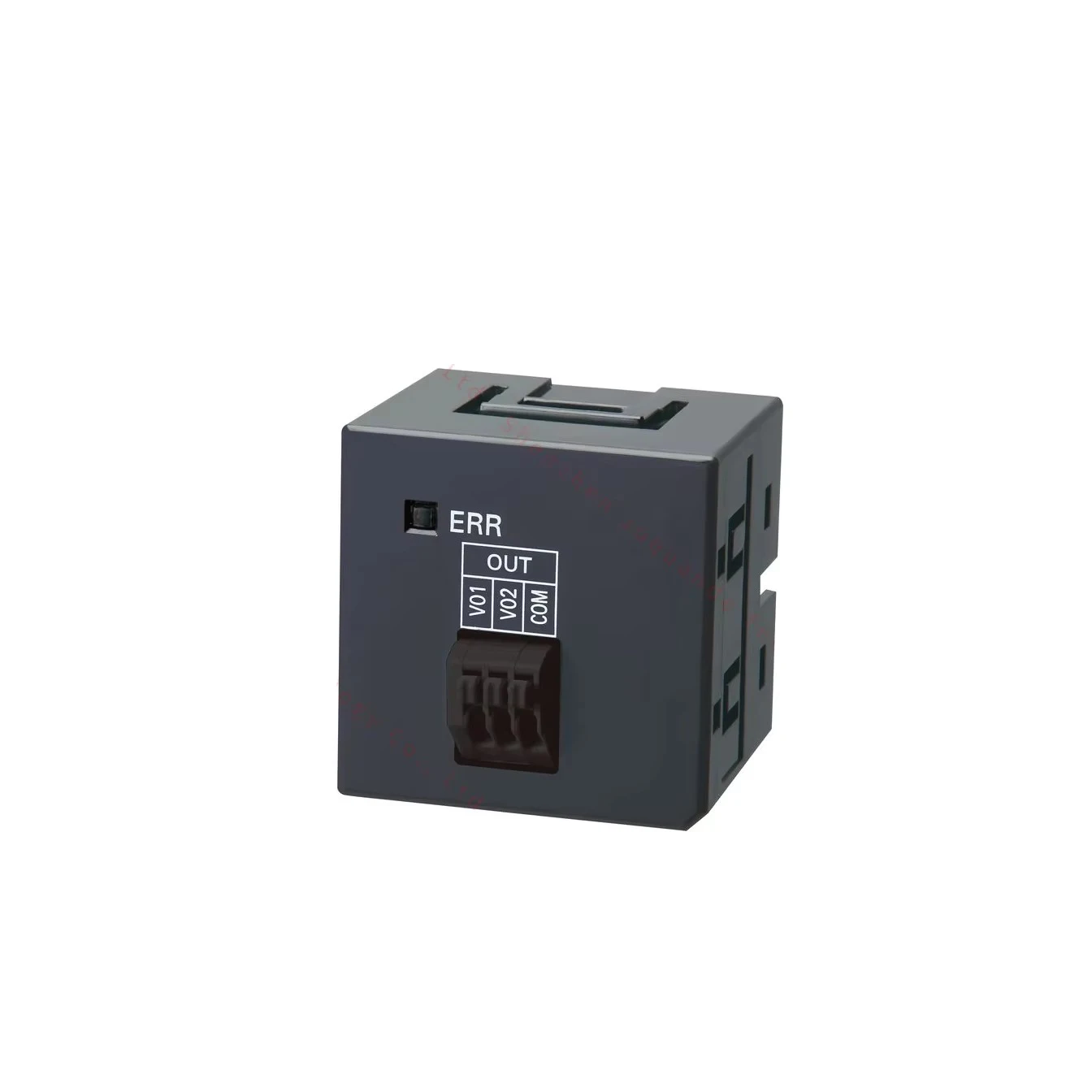
In many factories and industrial settings, timing is everything. Workers and machines need to work together smoothly to make products efficiently. That's where PLC timers come in. PLC stands for Programmable Logic Controller. These are small computers that control machines and processes in factories. Timers are one of the most useful tools in PLCs. They help manage when machines should start or stop, and they make sure everything runs in the correct order. Our company, JQD, understands the importance of these timers, and we want to share some practical examples to help you see how they work in real life.
Practical Uses of PLC Timers for Effective Industrial Sequence Control
PLC timer have many practical uses in factories. For example, let's say you have a machine that needs to fill bottles with juice. The filling machine should only start when the bottle is in place. A timer can help by making the filling machine wait just a few seconds after the bottle arrives. This way, the bottle is filled correctly without any spills. Another example is in assembly lines. If one part of the line is slower than others, a timer can help adjust the speed. It can pause the faster machines until the slower one catches up. This keeps everything moving smoothly. In addition, timers can also control heating processes. If you need to heat a material for a certain time, a timer can make sure that it stays heated long enough but not too long, which could damage it. JQD believes in using timers to maximize efficiency and reduce waste in production. With the right timer settings, companies can save money and time, making their operations smarter.
How to Choose the Right PLC Timer for Your Industrial Applications
Choosing the right PLC timer is very important for your factory. You need to think about what you want the timer to do. First, consider how long you need to time something. Some timers can measure only seconds, while others can go up to hours. Next, think about how many timers you will need. If your factory has a lot of different machines, you might need several timers to control them all. It’s also important to check if the timer can work with your existing PLC system. Some timers fit better with certain brands or models, so make sure you get one that works well with your setup. Another factor is how easy it is to program the timer. Some timers have simple settings that anyone can use, while others may need special training to set up. JQD offers a range of PLC automation designed for different needs, making it easy to find the right one for your factory. Always remember to think about what your machines need and how you want them to work together. This way, you can pick the best timer to keep everything running smoothly.
Where to Find High-Quality PLC Timers for Wholesale Purchase
If you are looking for high-quality PLC timers for your industrial needs, JQD is a great place to start. PLC timers are important tools used in many factories and industries. They help control the timing of machines and processes, making sure everything runs smoothly. To find these timers, you can check out JQD's website, where they offer a range of products. This is a good option because you can see all the different types of timers available, and you can read about their features. Another option is to visit local distributors or suppliers that specialize in industrial equipment. These places often have staff who know a lot about the products and can help you choose the right timer for your needs. If you're buying in bulk, ask about wholesale prices. Buying in larger quantities can save you money, which is important for businesses trying to keep costs down. You can also look for trade shows or exhibitions focused on industrial technology. These events are great because you can see the products in person and even talk to the people who make them. They can answer your questions and help you understand how to use their products best. Online marketplaces like B2B platforms can also be useful. They connect buyers and sellers from all over, allowing you to compare prices and find good deals. However, always check the seller's reviews and ratings to ensure you are getting a reliable product. When you choose JQD for your PLC timers, you can trust that you are getting quality timers that will help your operations run smoothly.
Common Issues with PLC Timer Configurations and How to Solve Them
When using PLC timers, sometimes things don't work perfectly. One common issue is incorrect settings. If the timer is set for the wrong duration, it can cause machines to start or stop at the wrong times. To avoid this, always double-check your settings before starting a process. Make sure that the time is set according to the specific needs of your machine. Another problem could be related to the wiring. If the connections are loose or not connected correctly, the timer may not work as it should. It’s important to make sure all wires are securely attached and that you follow the wiring diagrams provided by JQD. Sometimes, timers can also malfunction due to electrical noise or interference from other machines. This can cause the timer to reset unexpectedly. To fix this, you can use noise filters or shielded cables to protect the timer from outside interference. Additionally, make sure that your power supply is stable and within the range needed for the timer to operate properly. If you notice that the timer is not counting down or up as it should, it could be due to a software bug in your industrial PLC programming. In this case, review your program carefully and look for errors in the logic that controls the timer. If you see something wrong, correct it and test the timer again. Lastly, always refer to the user manual from JQD for guidance on configuration and troubleshooting. These manuals are designed to help you understand how to set up and use the timers effectively.
How to Troubleshoot Common PLC Timer Problems in Your Operations
Troubleshooting PLC timer problems can be challenging, but it’s important to keep your operations running smoothly. One of the first things to do is check the timer’s display or indicators. If the timer is not displaying the correct time, this could indicate a problem. Start by verifying the power supply. Make sure the timer is getting the right voltage. If everything seems fine with the power, look at the program running in your PLC. Sometimes, incorrect programming can lead to timer issues. Check the logic and see if the timer is being called or activated correctly in the program. If you find errors, correct them and test the timer again. Another common issue is related to the timer not starting or stopping when it should. In this case, examine the inputs that trigger the timer. If the signals from the sensors or switches are not functioning, the timer may not operate as expected. Check the connections and make sure that all input devices are working correctly. If the problem persists, try resetting the timer to its factory settings and reconfiguring it. This can sometimes clear any glitches that have developed. If you are still having trouble, JQD provides excellent customer support. Don’t hesitate to contact their team for assistance. They can help you troubleshoot specific issues and provide guidance on how to fix them. Remember, regular maintenance of your PLC and timers can also prevent many problems from occurring in the first place. Keeping everything clean and checking connections regularly will help ensure your operations run efficiently.
Table of Contents
- Practical Uses of PLC Timers for Effective Industrial Sequence Control
- How to Choose the Right PLC Timer for Your Industrial Applications
- Where to Find High-Quality PLC Timers for Wholesale Purchase
- Common Issues with PLC Timer Configurations and How to Solve Them
- How to Troubleshoot Common PLC Timer Problems in Your Operations