
 EN
EN



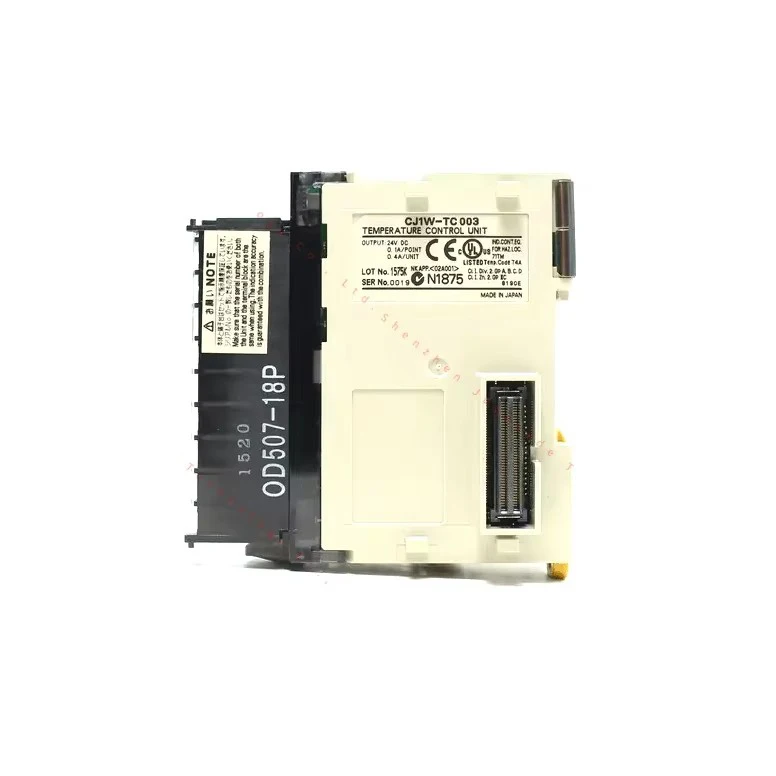
When it comes to running machines in factories, timers in Programmable Logic Controllers (PLCs) play a super important role. Timers help control how long things run, when to start or stop machines, and keep everything working smoothly. If the timer settings are not right, it can cause problems like machines stopping at the wrong times or not working as they should. That's why it is essential to optimize PLC timer settings.
Optimize PLC Timer Settings for Enhanced Automation Performance
Optimizing PLC timers can make a big difference in how well machines perform. For instance, if a timer is set too short, a machine might turn off before it finishes its work. This can lead to wasted materials and time, which is not good for any factory. On the other hand, if a timer is too long, machines might run longer than needed, wasting energy. Finding the right balance is key. One way to optimize is by regularly checking and updating the timer settings based on how the machines are used. If you're running a machine more often, you might need to adjust the timer to fit that schedule.
What Are the Key Benefits of Optimizing PLC Timer Settings?
When you optimize PLC timer settings, there are many benefits. First, it can improve production efficiency. Machines that run at the right times and for the right durations can produce more products without wasting resources. Imagine if a factory could increase its output just by changing some timer settings! It’s not just about running machines; it’s about running them smarter. Another advantage is that it can lower energy costs. Machines that run too long use more electricity. By fine-tuning timers, factories can cut down on their energy bills, which is great for the budget.
Solutions for Wholesale Buyers
When it comes to buying equipment for frequency converter 50 to 60hz buyers need to make smart choices. One important part of this is understanding PLC (Programmable Logic Controller) timer settings. These settings control how long machines wait or how fast they work. If these timers are not set right, it can cause problems in the factory. At JQD, we want to help you find the best solutions for your automation needs. First, you should know what type of machines you are using. Different machines may need different timer settings. For example, a conveyor belt might need a shorter timer than a robotic arm. Understanding the needs of each machine can help you set the timers correctly.
What Wholesale Buyers Should Know About PLC Timer Settings
Understanding generator frequency converter is crucial for wholesale buyers. First, it’s important to know that timers can affect how machines work together. If one machine waits too long, it can slow down the whole process. This is why setting the timers correctly is so important. At JQD, we recommend that buyers learn the basics of timer settings. There are different types of timers, like on-delay and off-delay timers. On-delay timers start counting when the machine gets a signal, while off-delay timers start counting when the signal stops. Knowing the difference can help you choose the right timer for your machines.
What PLC Timer Settings Are Essential for Efficient Automation?
For smooth automation, certain frequency converter 50hz to 60hz are essential. First, consider the cycle time. This is how long it takes for a machine to complete one task. If the cycle time is too long, production slows down. It’s important to find a balance where the cycle time is efficient but not too fast that it causes mistakes. At JQD, we suggest using a timer to measure the cycle time and make adjustments as needed. Another essential setting is the delay time. Delay timers can help machines wait for the right moment to start. This is especially important when machines need to work together. For example, if one machine needs to finish before another starts, using a delay timer can help keep everything in sync.