
 EN
EN



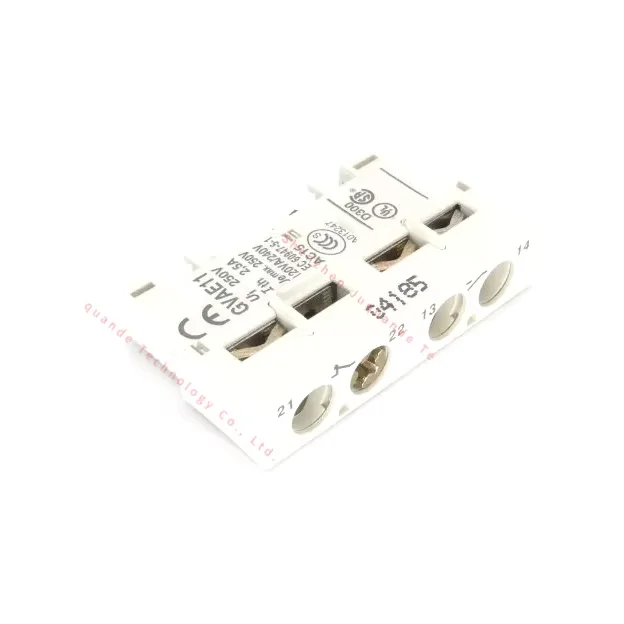
The 6ES7214-1AG40-0XB0 PLC is an important tool in many factories and industries. It helps control machines and processes. To keep it working well for a long time, it is important to take good care of it. JQD is a brand that knows how to help with this. We want to share some helpful tips on how to maintain this PLC so that it can serve you for many years. You can avoid problems by following these best practices. It is like taking care of a car; regular maintenance helps it run smoothly.
Common Usage Issues with 6ES7214-1AG40-0XB0 PLC and How to Resolve Them
Sometimes, users face challenges when using the 6ES7214-1AG40-0XB0 PLC. One common issue is power supply problems. If the PLC does not get the right power, it may not work correctly. Users must check that the power source is stable and that the connections are secure. Loose wires can cause the PLC to malfunction. Another issue is overheating. The PLC can get too hot if it is placed in a poorly ventilated area. Make sure there is enough space around the PLC for air to flow. If it starts to get warm, consider adding fans or moving it to a cooler spot. Also, software problems can occur. Sometimes, the programs inside the PLC system can have bugs. Keeping the software updated is crucial. JQD recommends regularly checking for updates and installing them to fix any known issues. Lastly, some users might not know how to set up the PLC properly. It is vital to read the user manual and follow the instructions carefully. If you face difficulties, don't hesitate to reach out to JQD for support. Our team is always ready to help you with any questions you may have.
What Best Practices Can Enhance 6ES7214-1AG40-0XB0 PLC Performance?
To make the 6ES7214-1AG40-0XB0 PLC perform its best, there are several practices you should follow. First, keep it clean. Dust and dirt can get inside and cause problems. Use a soft cloth to wipe it down regularly. Also, check the connections often. Make sure all the wires are tightly connected and there are no frayed ends. It’s also a good idea to have a backup power supply. If there is a power outage, your PLC will still work without interruptions. Next, set a schedule for regular check-ups. This can include testing the PLC’s response time and making sure everything is functioning as it should. JQD suggests taking notes during these checks so you can track any changes over time. Additionally, train your staff on how to use the PLC properly. When everyone knows how to operate it correctly, there will be fewer mistakes. Lastly, always have a plan for emergencies. If something goes wrong, knowing how to fix it quickly can save you time and money. JQD is here to support you with training and resources to ensure your PLC runs smoothly. Following these best practices will not only enhance the performance of your PLC but also extend its life, making it a reliable part of your operations for years to come.
What Are the Signs of Wear in 6ES7214-1AG40-0XB0 PLC and When to Act?
The 6ES7214-1AG40-0XB0 PLC (Programmable Logic Controller) is an important piece of equipment used in many factories and industries. Like any other machine, it can show signs of wear and tear over time. It’s important to know what these signs are so that we can fix problems before they become big issues. One sign of wear is when the PLC starts to run slower than usual. If you notice that it takes longer to respond to commands or if it glitches, this could be a sign that something is wrong. Another sign is unusual noises. If the PLC starts making clicking or buzzing sounds, it could mean that the internal parts are not working well. Additionally, you should watch for warning lights on the PLC display. If a light turns red or flashes, this means that the PLC is having a problem and needs attention.
If you see any of these signs, it’s important to act quickly. Ignoring these problems can lead to bigger issues that may cause the PLC to stop working altogether. When you notice any signs of wear, the first step is to check the user manual for troubleshooting tips. If that doesn’t help, it’s best to contact a technician who knows how to fix PLCs. Regular checks can help catch these problems early. At JQD, we recommend doing a quick inspection of your PLC every few weeks to make sure it’s running smoothly. Catching issues early can save time and money in the long run.
How to Train Staff on Best Practices for 6ES7214-1AG40-0XB0 PLC Usage?
Training staff on how to use the 6ES7214-1AG40-0XB0 PLC properly is key to making sure it lasts a long time. The first step in training is to explain what the PLC is and why it is important. Staff should understand that the PLC control system many machines and processes, so using it correctly is very important. At JQD, we suggest starting with basic training sessions that cover the PLC’s features and how it works. This way, everyone knows what to expect.
Next, hands-on training is very useful. Let staff practice using the PLC in a safe environment. This can be done by creating simple tasks for them to complete using the PLC. For example, you could ask them to program a small task and see how the PLC responds. This helps them learn by doing, which is often the best way to remember new information.
Finally, it’s also important to have regular refresher courses. Over time, staff can forget what they learned, so having updates every few months keeps their knowledge fresh. Encourage staff to ask questions and share their experiences. This creates an open environment where everyone feels comfortable discussing problems or tips. By training staff well, you help ensure that the 6ES7214-1AG40-0XB0 PLC is used correctly, which can help it last longer and work better.
What Maintenance Schedule Should Be Followed for 6ES7214-1AG40-0XB0 PLC?
Having a good maintenance schedule is essential for the 6ES7214-1AG40-0XB0 PLC to work well for a long time. At JQD, we suggest creating a schedule that includes daily, weekly, and monthly tasks. Daily checks should be simple. For example, staff should look at the display to see if there are any warning lights or unusual messages. It’s also a good idea to check the connections and cables to make sure everything is secure and there are no loose parts.
Weekly maintenance can include cleaning the PLC. Dust and dirt can build up and affect how the PLC works. Use a soft cloth to gently wipe the outer parts, and make sure that there is no dust in the cooling vents. Checking the software and updating it if needed is also important. This keeps the PLC automation running smoothly and helps prevent problems.
Monthly maintenance tasks should be more thorough. This can include testing the PLC to ensure that it responds correctly to commands and performs the tasks it is supposed to do. If any problems are found, they should be addressed immediately. Keeping a log of all maintenance activities is a good practice. This helps track what has been done and when, making it easier to notice patterns or recurring problems. Following a strict maintenance schedule helps keep the 6ES7214-1AG40-0XB0 PLC in good working order, so it can serve your business for many years.
Table of Contents
- Common Usage Issues with 6ES7214-1AG40-0XB0 PLC and How to Resolve Them
- What Best Practices Can Enhance 6ES7214-1AG40-0XB0 PLC Performance?
- What Are the Signs of Wear in 6ES7214-1AG40-0XB0 PLC and When to Act?
- How to Train Staff on Best Practices for 6ES7214-1AG40-0XB0 PLC Usage?
- What Maintenance Schedule Should Be Followed for 6ES7214-1AG40-0XB0 PLC?