
 EN
EN



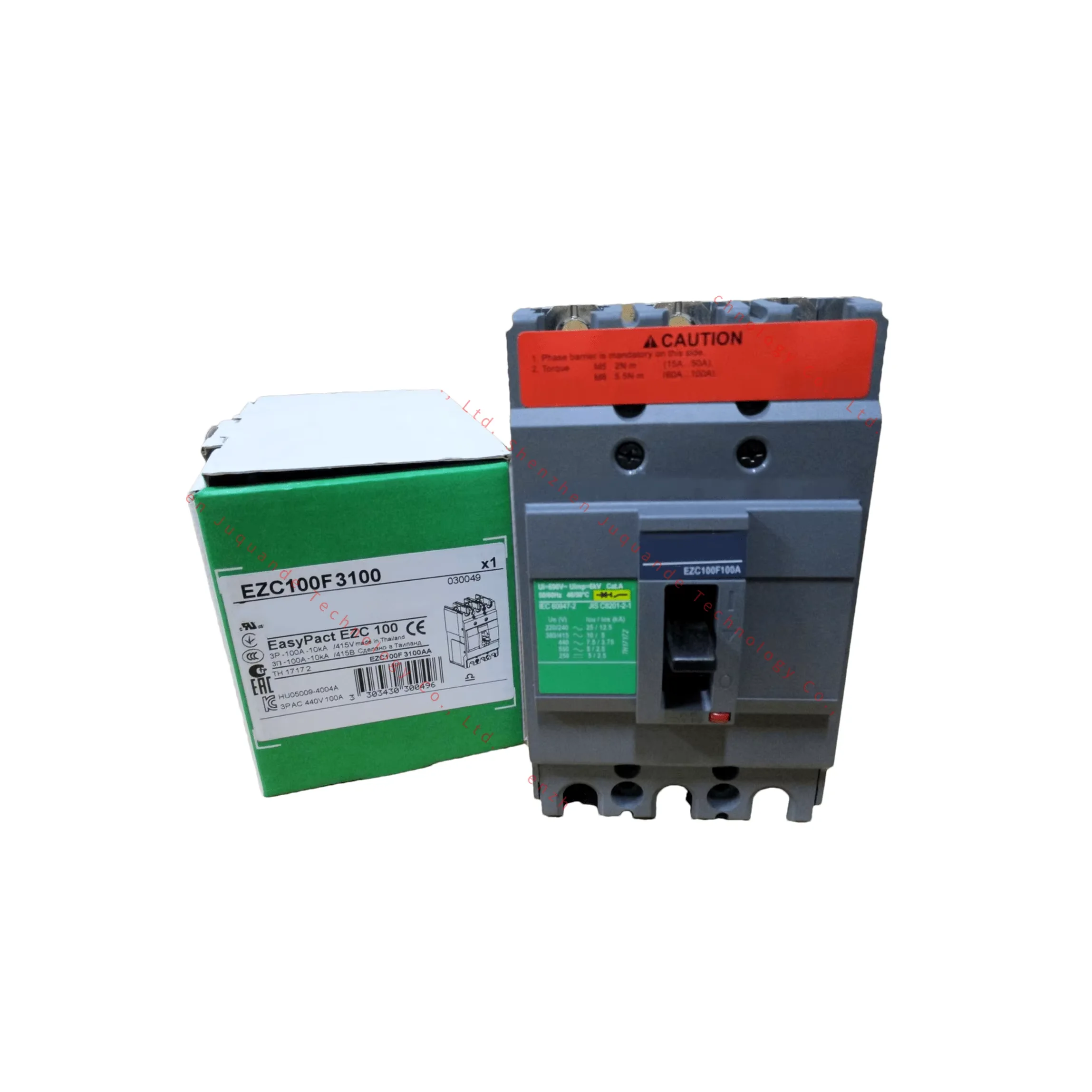
In many factories and plants, controlling machines and processes is very important. This is where PLCs (Programmable Logic Controllers) and frequency converters come into play. JQD uses these technologies to help improve how industries work. PLCs are like the brain of machines, telling them what to do. They can be programmed to control everything from simple tasks to very complex operations. Frequency converters help control the speed of motors, which is crucial for machines that need to run at different speeds to perform various tasks. By using PLCs and frequency converters, companies can work more efficiently and save money. This article will discuss the benefits of these devices and how they can optimize industrial processes.
What Are The Key Benefits Of Plc And Frequency Converters In Industrial Applications?
First, PLCs are very flexible. They can be programmed easily to meet the changing needs of a factory. For example, if a factory starts making a new product, the industrial PLC programming can be quickly reprogrammed to control the machines needed for that product. This saves time and money because there is no need to buy new equipment. Also, PLCs are reliable. They can run for a long time without breaking down, which means less downtime for the factory. On the other hand, frequency converters are great for energy savings. They help motors run at the right speed for the job, which reduces energy waste. If a motor is running faster than it needs to, it uses more power than necessary. By using a frequency converter, the motor can run at just the right speed, saving energy and cutting costs. JQD’s systems take advantage of these benefits to help businesses operate smoothly and economically.
How To Optimize Industrial Process Control With Plc And Frequency Converters?
To get the most out of PLCs and frequency converters, it is essential to understand how they work together. The first step is to analyze the needs of the factory. This means looking at what machines are used and how they interact. Once this is clear, the next step is to program the PLC correctly. JQD’s experts can help with this process, ensuring that the PLC is set up to control the machines effectively. It’s also essential to set the right parameters for the frequency converter. This way, it can adjust the motor speeds according to the tasks at hand. Regular maintenance is also key. Keeping both the PLC and frequency converter in good shape ensures they continue to work well and can adapt to any changes in the production process. By using JQD’s solutions, factories can reach their full potential, making operations smoother and more efficient.
By using PLCs and frequency converters, companies can enhance their production methods. These technologies give them the flexibility and reliability needed in today’s fast-paced industrial world. JQD is dedicated to helping industries utilize these tools effectively, leading to better performance and lower costs.
What Common Issues Arise in PLC and Frequency Converter Implementations?
When using PLCs (Programmable Logic Controllers) and frequency converters in factories, some common problems can happen. First, one big issue is wiring mistakes. When wires are not connected correctly, machines might not work as they should. This can cause delays in production. Another problem is software errors. PLC controller use special programs to control machines. If there is a bug in the software, it can lead to wrong actions, like turning a machine on when it should be off. This can waste energy and create safety risks. Additionally, frequency converters can sometimes have issues with power supply. If the power is not stable, the frequency converter may not work correctly, which can affect the speed of motors and other machines. It is also possible for the equipment to overheat. If the cooling systems are not working well, the frequency converter might stop functioning. This can lead to a halt in production, which is costly. Furthermore, operators might not be trained well enough to use these systems. If they don’t know how to troubleshoot problems, they can waste a lot of time trying to fix things. Lastly, communication problems between PLCs and other devices can happen. If devices do not talk to each other correctly, it can cause confusion and slow down operations. To avoid these issues, it is important to have good training for operators, regular maintenance checks, and clear instructions for setup.
How Do PLCs Enhance Efficiency in Industrial Process Control Systems?
PLCs play a big role in making factories run better. One of the main ways they help is by automating tasks. Instead of having people do everything by hand, PLCs can control machines to do the work automatically. This saves time and reduces mistakes. For example, in a factory that makes cars, PLCs can control robots to assemble parts quickly and accurately. This means the factory can produce more cars in a shorter amount of time. Another way PLCs help is by monitoring equipment. They can check if machines are working properly and if there are any problems. If a machine is about to fail, the PLC can send an alert so that workers can fix it before it breaks down. This helps to avoid downtime, which is when nothing is being made. Additionally, PLCs can collect data from different machines. This information can help managers make better decisions. For instance, they can see which machines are the most efficient and which ones need improvement. This way, they can focus on the areas that need help the most. Moreover, PLCs are flexible. If a factory needs to change its production process, it is often easy to reprogram the PLC to handle new tasks. This adaptability is important in today’s fast-changing market. Overall, PLCs help factories work more efficiently, save money, and produce higher quality products.
Where to Source High-Quality PLC and Frequency Converters for Industrial Use?
Finding high-quality PLCs and frequency converters is very important for any factory. A great place to start is with trusted suppliers. Companies like JQD offer reliable products that are known for their performance. It’s smart to check the supplier’s reputation. Look for reviews or ask other businesses about their experiences with the supplier. Good suppliers often provide a warranty or guarantee, which shows they trust their products. Another option is to attend trade shows or industry events. These gatherings allow you to meet different manufacturers and see their products up close. You can ask questions and sometimes even see demonstrations of how the products work. Additionally, online platforms can be useful for comparing different products. Websites that specialize in industrial equipment often provide detailed specifications, prices, and user reviews. This information makes it easier to choose the right PLC system or frequency converter for your needs. It is also a good idea to consider local distributors. They can provide support and service in your area, which can be helpful if you encounter any problems later on. Lastly, make sure to check if the products meet safety and quality standards. This ensures that what you buy is reliable and safe to use in your factory. By taking these steps, you can find the right high-quality PLCs and frequency converters for your industrial processes, ensuring smoother operations and better results.
Table of Contents
- What Are The Key Benefits Of Plc And Frequency Converters In Industrial Applications?
- How To Optimize Industrial Process Control With Plc And Frequency Converters?
- What Common Issues Arise in PLC and Frequency Converter Implementations?
- How Do PLCs Enhance Efficiency in Industrial Process Control Systems?
- Where to Source High-Quality PLC and Frequency Converters for Industrial Use?