
 EN
EN



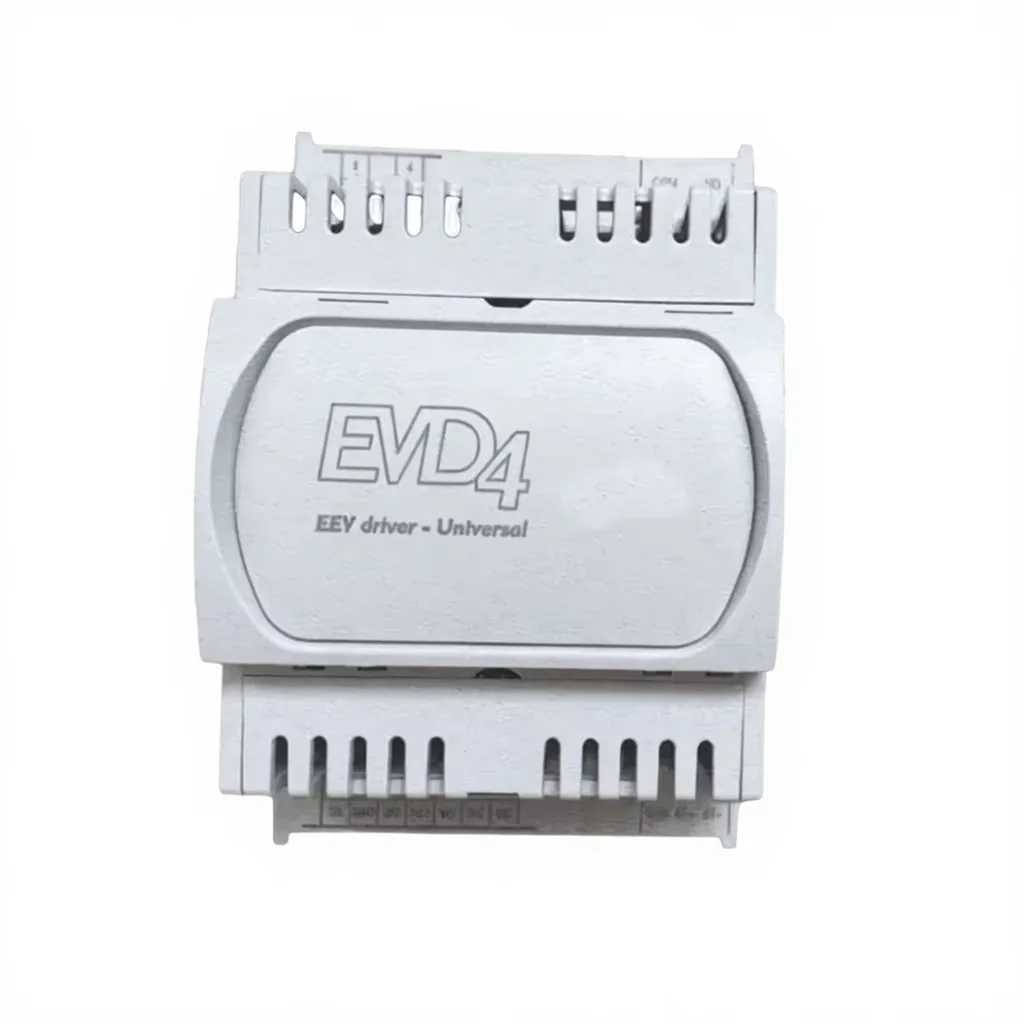
In today's factories, machines and technology work together to make products quickly and efficiently. One important technology that helps in this process is called a Programmable Logic Controller, or PLC. Companies like JQD use PLCs to control machines on production lines. These devices can automate tasks, monitor processes, and help workers by reducing manual effort. This article will explain why PLCs are so important in modern factories, common problems people face when using them, and how to solve these issues effectively.
Understanding the Importance of PLC in Modern Industrial Electrical Engineering
PLCs are like the brain of a production line. They help control everything from simple machines to complex systems. For example, if a factory makes toys, a PLC can control how the machines work together to assemble the toys. It can tell one machine to start when another finishes its job. This helps the factory run smoothly. Without PLC automation, workers would have to do many tasks by hand, which takes much longer and can lead to mistakes. PLCs also help improve safety. If something goes wrong, like a machine overheating, the PLC can shut everything down quickly to prevent accidents. This is very important in factories where many machines work at the same time. With PLCs, factories can increase their production speed and quality. They can make more products in less time, which means more profit for the company. JQD knows how important this is, and we work hard to provide the best PLC solutions for our customers.
Common Usage Issues with PLCs in Industrial Settings and Their Solutions
Even though PLCs are very helpful, they can have problems too. One common issue is that they can be hard to program. Sometimes, workers do not know how to set them up correctly. This can lead to machines not working as they should. If a PLC is not programmed right, it might not send the correct signals to the machines. This can cause delays in production. To solve this problem, companies like JQD offer training for workers. This training teaches them how to use PLCs effectively. Another issue is that PLCs can sometimes lose power. If a power failure occurs, the PLC might forget its settings. This can cause a lot of trouble when the power comes back on. To fix this, many factories use an Uninterruptible Power Supply (UPS) to keep PLCs running during power outages. This ensures that the PLC saves its data and settings. Lastly, PLCs can also get old and need updating. New technology comes out all the time, and old PLCs may not work with new machines. JQD helps companies by providing updates and new PLC systems that are compatible with the latest technology. By addressing these common issues, we help factories run more smoothly and efficiently.
In summary, PLCs play a crucial role in industrial electrical engineering. They help factories produce more products safely and effectively. Even though there are some challenges with using PLCs, companies like JQD are dedicated to solving these problems and ensuring that factories can operate at their best. With proper training and support, workers can become skilled in using PLCs, making production lines more efficient and productive.
How to Optimize Production Line Processes with PLC Integration
In today’s factories, making things quickly and efficiently is very important. One way to do this is by using a special tool called a Programmable Logic Controller, or PLC for short. A PLC is like a smart computer that helps control machines on the production line. By using PLCs, companies like JQD can make their production processes better and faster. First, it is essential to connect all the machines on the production line to the PLC. This way, the PLC can send signals to start, stop, or change the speed of the machines. When all the machines work together, it helps create a smooth workflow.
Another way to optimize production lines is by using sensors. These sensors can tell the PLC if a machine is working correctly or if there is a problem. If something goes wrong, the PLC can quickly stop the machine and alert the workers. This prevents accidents and saves time. Additionally, PLCs can collect data about how the machines are running. This information helps workers understand if they need to adjust anything to improve the process. For example, if one machine is slower than others, the workers can fix it to ensure everything runs smoothly.
Training workers to use PLCs is also crucial. When workers understand how the PLC works, they can make better decisions about the production line. JQD believes that teaching workers about PLC system can help everyone feel more confident and in control. Lastly, it’s essential to regularly update the PLC software. Software updates often include new features that can make production even better. By keeping everything up to date and using PLCs wisely, companies can produce more products in less time, which is great for business.
What Are the Latest Trends in PLC Technology for Industrial Applications?
Technology is always changing, and PLCs are no different. New trends in PLC technology are making them smarter and easier to use. One of the latest trends is the use of cloud technology. This means that PLCs can connect to the internet and share data with other systems. For example, if a machine is not working well, the PLC can send a message to the cloud, where experts can help fix the problem. This helps companies like JQD to solve issues quickly, even from far away.
Another trend is the use of bigger and better displays. Many new PLCs come with touch screens that make it easy for workers to see what is happening on the production line. These screens show important information, like how fast the machines are running or if there are any problems. When workers have this information at their fingertips, they can make better decisions. Additionally, newer PLCs are more flexible. This means they can work with many different types of machines. In today’s factories, machines often come from different makers, so having a PLC that can connect with everything is very helpful.
Safety is also a big focus in the latest PLC technology. Many new PLCs have built-in safety features to help prevent accidents. For example, if a worker gets too close to a dangerous machine, the PLC can stop the machine automatically. This keeps everyone safe and helps to create a better working environment. At JQD, we believe that using the latest PLC technology can make production lines not only more efficient but also safer for everyone involved.
How to Choose the Right PLC Solution for Your Industrial Electrical Engineering Projects
Choosing the right PLC for a project can be challenging, but it is very important. First, you need to think about what kind of machines you will be using. Different machines might need different types of PLCs. For example, if you are working with very simple machines, a basic PLC might be enough. But if you have many complex machines that need to work together, you will need a more advanced PLC. JQD can help you figure out which type of PLC will work best for your needs.
Next, consider the size of your production line. If it is a large line with many machines, you will want a PLC that can handle a lot of information. Some PLCs can connect to many devices at once, while others can only connect to a few. Knowing how many machines you will have will help you choose the right PLC control system. Another important factor is the budget. PLCs come in different price ranges, so it is essential to find one that fits your budget while still meeting your needs.
Lastly, think about how easy the PLC is to use. Some PLCs have complicated setup processes, while others are designed to be user-friendly. If your workers are not very experienced with technology, a simple, easy-to-use PLC will be better. JQD believes that having a PLC that everyone can understand will help the production line run smoothly. By taking these factors into account like the type of machines, the size of the production line, the budget, and how user-friendly the PLC is you can find the right PLC solution for your industrial electrical engineering projects.
Table of Contents
- Understanding the Importance of PLC in Modern Industrial Electrical Engineering
- Common Usage Issues with PLCs in Industrial Settings and Their Solutions
- How to Optimize Production Line Processes with PLC Integration
- What Are the Latest Trends in PLC Technology for Industrial Applications?
- How to Choose the Right PLC Solution for Your Industrial Electrical Engineering Projects