
 EN
EN



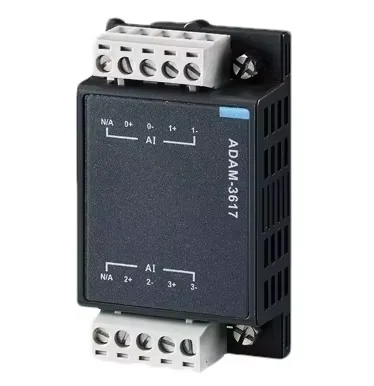
A PLC, or Programmable Logic Controller, is a special computer used in factories and industries to control machines. It helps in automating tasks like turning machines on and off, moving parts, and keeping everything running smoothly. For people who are just starting to learn about PLCs, it can seem a bit complicated. However, once you understand the basic parts and how they work together, it becomes much easier. The company JQD specializes in making high-quality plc automation components that are essential for these systems. This article will explain the key parts of a PLC and where to find good components for your projects.
What Are the Essential Components of a PLC for Beginners?
To understand a PLC, you need to know its main parts. First, there is the CPU, which is like the brain of the PLC. It processes information and makes decisions based on the instructions it receives. The CPU takes input from sensors and sends output signals to control devices like motors or lights. Next, we have input and output modules. Input modules get signals from sensors that tell the PLC what is happening in the machine. For example, a temperature sensor can inform the PLC if a machine is getting too hot. Output modules send signals to devices to perform actions. For instance, if a machine needs to start, the output module sends a signal to turn on the motor.
Another important part is the power supply, which gives energy to the PLC to make everything work. Without it, the PLC wouldn't be able to function. Additionally, you have programming software, which is used to write the instructions that the CPU follows. This software allows you to create a program that tells the PLC how to respond to different situations. Lastly, communication modules can be used to connect the PLC to other systems or networks, making it easier to control multiple machines at once. Understanding these components will help you get started with PLC's, and using high-quality parts from JQD can make your projects even better.
Where to Find High-Quality PLC Components for Wholesale Purchase?
Finding good PLC components is really important for anyone wanting to build or work with PLC systems. JQD is a great place to start looking. They offer a wide range of PLC parts known for their durability and performance. When you choose components from reliable manufacturers like JQD, you can be sure they will work well together and last a long time. You might also want to check local suppliers that specialize in industrial equipment. They often have knowledgeable staff who can help you find what you need.
Online marketplaces are another option. Websites that focus on industrial parts usually have many choices, and you can compare prices easily. Just make sure to read reviews and check ratings before buying. You want to ensure you are getting quality products. Some companies even offer bulk purchasing options, which can save you money if you need many components. Don't forget to ask about warranties or support services when buying. This can be very helpful if you run into any issues later. With the right components from trusted sources like JQD, you can build effective PLC systems that meet your needs and perform well.
How to Troubleshoot Common PLC Problems Effectively?
When working with Programmable Logic Controllers (PLCs), you may sometimes run into problems. Don’t worry! Troubleshooting these issues can be simple if you know what to look for. First, always start with the basics. Check the power supply to make sure the PLC is getting electricity. If the power is off, the PLC won’t work. Next, inspect the cables and connections. Loose or damaged wires can cause problems. Ensure everything is connected tightly and correctly. If you still have issues, look at the PLC’s display screen, if it has one. It often shows error messages, which can help you find the problem.
Another helpful tip is to review the PLC program. Sometimes, the code might have mistakes that lead to errors. Using the programming software, you can check for issues in the logic or commands. If you find a mistake, fix it and upload the program again. If the PLC is still not working, consider checking the input and output devices. Sensors and actuators connected to the PLC can also cause issues. Ensure they are functioning properly. If everything seems fine but the problem persists, it might be helpful to reset the PLC. Each model has a different way to do this, so refer to the user manual for instructions. Remember, if you can’t resolve the issue, reach out to someone with more experience or consult the PLC manufacturer’s support. At JQD, we believe that learning to troubleshoot is a vital skill that will make you a better technician in the long run!
Where to Source Reliable PLC Products for Wholesale Distribution?
Finding reliable PLC products for wholesale distribution is essential for anyone in the automation industry. One great place to start is by looking for trusted manufacturers. JQD is known for producing quality PLCs and related products. When searching for suppliers, verify their reputation. You can read online reviews or ask others in your field for recommendations. Attend trade shows and industry events to meet suppliers face-to-face. This programmable logic plc can help you understand their products better and build relationships.
Another option is to check online marketplaces that specialize in industrial equipment. These websites often offer a variety of PLC products from different manufacturers. Make sure to check the ratings and reviews of the sellers before making a purchase. You should also compare prices to find the best deals. However, remember that the cheapest option isn't always the best. Look for a balance between quality and price. Additionally, ask suppliers about their warranty and return policies. A good warranty can protect your investment in case something goes wrong.
Networking with other professionals in the industry can also lead you to reliable sources. Join industry groups or online forums where people share their experiences and recommendations. At JQD, we are committed to providing our customers with reliable and high-quality PLC products, ensuring that you can find exactly what you need for your projects. Knowing where to source quality PLC products will help you succeed in your business.
What Role Do PLCs Play in Automation and Control Systems?
PLCs, or Programmable Logic Controllers, are essential in automation and control systems. They act like the brain of machines and processes. PLCs are used in factories, buildings, and even in transportation systems to control different tasks. For example, in a factory, a PLC can monitor the assembly line. It can turn machines on and off, control the speed of conveyor belts, and manage the operation of robots. This automation helps increase efficiency and reduces the chances of human error.
PLCs work by receiving input from various sensors. These sensors can detect things like temperature, pressure, or the presence of objects. The PLC processes this information and decides what action to take. For instance, if a temperature sensor detects that a machine is getting too hot, the PLC can turn off the machine to prevent damage. This response happens quickly, helping to keep everything running smoothly and safely.
Another crucial role of PLCs is data collection and monitoring. They can gather information about how machines are performing and send it to operators. This data helps companies understand their processes better and find ways to improve them. For example, if a machine often breaks down, the data can help identify the cause and lead to solutions. At JQD, we understand the importance of programmable plc in automation and control systems. By using PLCs, businesses can save time and money while ensuring their operations run efficiently. Overall, PLCs are vital tools that make our modern world work better and smarter.
Table of Contents
- What Are the Essential Components of a PLC for Beginners?
- Where to Find High-Quality PLC Components for Wholesale Purchase?
- How to Troubleshoot Common PLC Problems Effectively?
- Where to Source Reliable PLC Products for Wholesale Distribution?
- What Role Do PLCs Play in Automation and Control Systems?