
 EN
EN



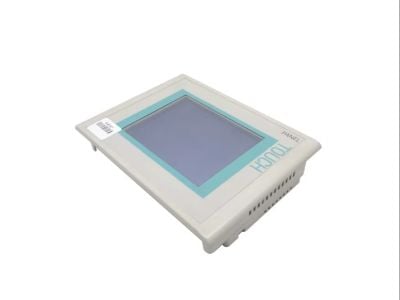
When it comes to controlling machines and processes in industries, Programmable Logic Controllers (PLCs) are very important. These devices help automate tasks, making operations smoother and more efficient. There are three main types of PLCs: Standard, Mini, and Micro plc controller. Each has its own special features and uses. JQD is a brand that offers all three types, ensuring that businesses can find the right solution for their needs. Let’s dive into what makes each type unique and how to choose the best one for your needs.
What are the Key Features of Standard, Mini, and Micro PLCs for Wholesale Buyers?
Standard PLCs are the heavy lifters in the automation world. They can handle a lot of input and output points, making them great for big factories or complex systems. They are built to last and can work with many devices at once. For example, if a factory needs to control several conveyor belts, motors, and sensors at the same time, a Standard plc automation is the right choice. It has strong processing power and can be programmed to do many tasks. They are often used in industries like automotive and food processing.
Mini PLCs are smaller than Standard PLCs but still pack a punch. They are perfect for medium-sized tasks. If a business doesn’t need all the features of a Standard PLC, a Mini PLC can save money while still getting the job done. It can control a few machines and is often used in packaging lines or small assembly operations. These PLCs are easy to install and can be programmed quickly, making them a favorite for many businesses looking for balance between cost and capability.
Now, Micro PLCs are the smallest of the three. They are designed for simple tasks and can control a few inputs and outputs. This makes them perfect for smaller operations or specific tasks like controlling lights or pumps. Micro PLCs are often used in places like HVAC systems or water treatment facilities. They are compact and can fit into small spaces while still providing automation solutions. JQD offers Micro PLCs that are user-friendly and cost-effective, ideal for businesses just starting with automation.
How to Choose the Right PLC for Your Industrial Automation Needs?
Choosing the right PLC involves considering several factors. First, think about the size and complexity of your operations. If your factory has many machines that need to work together, a Standard PLC is likely the best option. It has the capability to manage multiple tasks efficiently. However, if you have simpler needs or a smaller operation, a Mini or Micro PLC might be more appropriate.
Next, look at the number of input and output points you’ll need. Standard PLCs usually support more points than Mini or Micro PLCs. Make sure to count how many devices you want to connect. This will help you avoid buying a plc system that is too weak for your needs or too strong, which might waste money.
Also, consider how easy it is to program the PLC. Some manufacturers, like JQD, provide user-friendly programming options and good support. This can make a big difference, especially if your team is not very experienced with automation technology. Lastly, think about your budget. Each type of PLC comes at different price points, so it’s essential to find one that fits your financial plan without sacrificing necessary features.
By understanding these aspects, you can make a smart choice and ensure that your industrial automation needs are met efficiently and effectively.
Where to Find Competitive Wholesale Prices for Standard, Mini, and Micro PLCs?
Finding good prices for Standard, Mini, and Micro PLCs can be a bit tricky, but it is possible if you know where to look. One of the best places to start is online. Websites that focus on industrial equipment often have a wide range of PLCs. Companies like JQD offer competitive wholesale prices on different types of PLCs. You can compare prices from different sellers to find the best deal. It’s also a good idea to check for special sales or discounts. Sometimes, you can find great deals during big sales events or holiday promotions. Another good option is to visit trade shows or industry events. At these events, you can meet suppliers, see their products, and sometimes get a better price because you are buying in person. If you are part of a school or a club, you might be able to buy PLCs in bulk, which can also lower the price. Don’t forget to ask about warranties or return policies when making a purchase. This way, you can feel confident that you are getting a good deal. Also, look for reviews from other customers to see if they were happy with their purchases. This can help you choose a reliable supplier. You can also join online forums or groups where people discuss PLCs. Members often share tips on where to find good prices and what to look out for when buying. By doing a little research and asking questions, you can find the best prices for Standard, Mini, and Micro PLCs. With the right information, you can save money and get the PLCs you need for your projects.
What Common Issues to Expect When Using Different Types of PLCs?
When using different types of PLCs—Standard, Mini, and Micro—you may face some common problems. Each type has its own strengths and weaknesses, which can sometimes lead to challenges. For example, Standard PLCs are powerful and can handle many tasks, but they can also be complex to set up. You might find that programming them takes longer than expected. It’s important to have a good understanding of how they work. Mini PLCs are smaller and easier to use, but they may not have enough power for big projects. You may run into limits on how many devices you can connect. This can be frustrating if you want to control a lot of machines at once. Micro PLCs are great for simple tasks, but they might not have the features you need for more complex automation. Sometimes, people try to use Micro PLCs for jobs they are not designed for, which can lead to problems. Another common issue across all types is trouble with connections. If wires are loose or not connected properly, the PLC may not work. This can cause machines to stop running or not respond as expected. It’s essential to check connections regularly to make sure everything is working well. Additionally, software glitches can happen, especially if you are using older models. Keeping your software updated can help avoid these issues. It’s also important to read the manuals that come with your PLC. They often have tips for troubleshooting common problems. By knowing what to expect, you can be better prepared to handle issues with Standard, Mini, and Micro PLCs.
What Makes Standard PLCs Ideal for Large Scale Automation Projects?
Standard PLCs are often the best choice for large-scale automation projects, and there are several reasons for this. Firstly, they are very powerful. Standard PLCs can control many machines and processes at once. This makes them perfect for factories or other big operations where many tasks need to be done simultaneously. They can handle complex programming, which means you can create detailed instructions for how each machine should work. This ability to manage complicated tasks helps increase efficiency and productivity in large projects. Another reason Standard PLCs are ideal is that they often come with many input and output options. This means you can connect many sensors, switches, and other devices. With these connections, you can monitor and control various parts of your project from one central location. This is especially useful in big systems where you need to keep track of many different factors. Furthermore, Standard PLCs usually have better reliability and durability compared to Mini and Micro PLCs. They are built to work in tough environments and can run for long hours without problems. This makes them dependable for large operations that cannot afford any downtime. JQD offers a range of Standard PLCs designed for these demanding environments, ensuring you have the right tools for your automation needs. Lastly, Standard PLCs often have strong support and resources available. Many companies provide training, manuals, and customer service to help you get the most out of your PLC. This support can be very helpful when working on large projects. Overall, the power, versatility, durability, and support make Standard PLCs an excellent choice for anyone looking to automate large-scale operations effectively.
Table of Contents
- What are the Key Features of Standard, Mini, and Micro PLCs for Wholesale Buyers?
- How to Choose the Right PLC for Your Industrial Automation Needs?
- Where to Find Competitive Wholesale Prices for Standard, Mini, and Micro PLCs?
- What Common Issues to Expect When Using Different Types of PLCs?
- What Makes Standard PLCs Ideal for Large Scale Automation Projects?